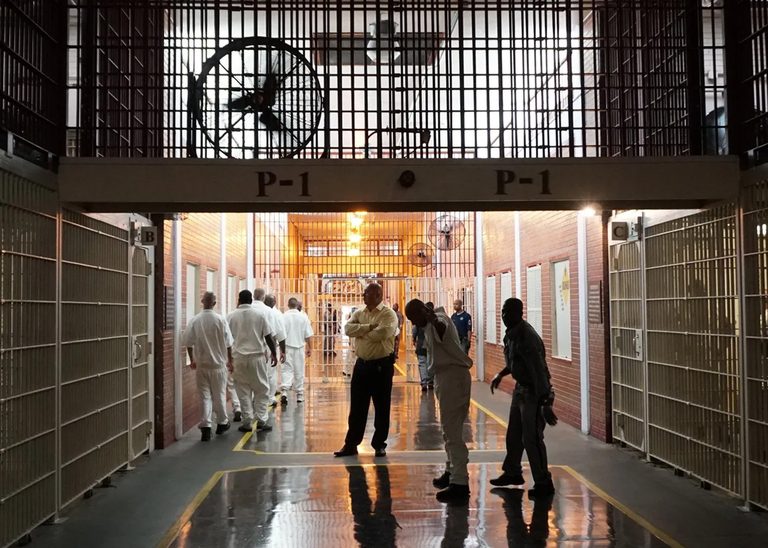
The Texas Department of Criminal Justice (TDCJ) has submitted a budget request to the Legislature for $298 million over the next two fiscal years. The money would fund more than 15,700 additional air‑conditioned beds, a move the agency says represents “significant and measurable progress” toward protecting inmates from extreme summer heat.
Agency’s rationale and broader funding plan
In a June filing, TDCJ outlined a two‑phase plan that ultimately could obligate $774 million in the 2028‑29 budget, followed by $730.7 million in the subsequent two years. The current $298 million request is a fraction of that long‑range estimate, but the agency argues it is a realistic, two‑year commitment that balances other pressing needs, such as the projected rise in the prison population to over 150,000.
“Together, these requests underscore significant and measurable progress toward expanding the capacity of cool beds,” TDCJ said in a statement to the Texas Tribune. The agency also asked for $591.8 million to build expansion dorms with climate control, which would add more than 21,000 cool beds if approved.
Critics call the request insufficient
Inmate advocates, represented by attorney Erica Grossman, argue the request falls far short of the estimated $1.5 billion needed to fully air‑condition the state’s 104 prisons. Grossman labeled the agency’s approach as “deliberate indifference” and warned it could lead to preventable heat‑related deaths.
The lawsuit that prompted the current debate alleges at least 10 heat‑related inmate deaths between 2023 and 2025, a figure the department disputes, attributing those deaths to drug overdoses or other medical conditions. Court documents also note 23 heat‑related deaths from 1998‑2012 and more than 150 heat‑related illness cases since 2022.
Federal judge’s pending decision
U.S. District Judge Robert Pitman has described the extreme indoor temperatures—often exceeding 100 °F—as “plainly unconstitutional” and is expected to issue a ruling on whether Texas must cool its prisons. Both the state and the plaintiffs have submitted briefs outlining their positions, but the judge’s timeline remains unclear.
Fiscal stewardship and legislative context
Republican leaders have instructed state agencies to trim 3 % from budget requests to fund priorities such as property‑tax cuts. TDCJ estimates those cuts amount to roughly $287 million, though the agency has not detailed specific line‑item reductions.
Former TDCJ Executive Director Bryan Collier, who retired last year, said he wanted to cool every facility but lacked the necessary funds. Current director Bobby Lumpkin emphasized the need to be “good fiscal stewards” while addressing inmate health, contraband detection, and other operational concerns.
Mitigation measures already in place
The department points to existing strategies, including cooled respite rooms, water stations, cold showers, fans, and cooling towels. TDCJ also uses a heat‑score system to prioritize the most vulnerable inmates for cooling resources.
Advocates argue the heat‑score criteria do not cover all high‑risk individuals, especially those with undiagnosed mental‑health issues. They also note that the policy requiring an inmate to have less than $5 in their prison account for 180 days before qualifying for a free fan creates an additional barrier for many.
Looking ahead
Grossman and other plaintiffs continue to seek a court order compelling the state to fully air‑condition its prisons by the end of 2029. The outcome of Judge Pitman’s ruling, combined with the Legislature’s decision on the $298 million request, will shape the next phase of Texas’ effort to address dangerous heat conditions in its correctional facilities.
Original reporting: San Antonio Report — read the source article.