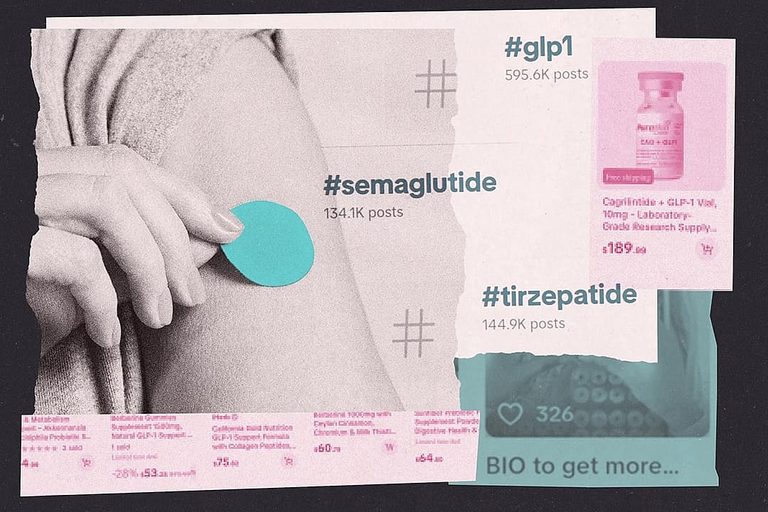
Victoria Schmidt, a busy working mother from Texas, thought she had found an affordable way to try a GLP‑1 weight‑loss aid after seeing a TikTok video featuring a relatable woman promoting patches that claimed to contain the medication. The video’s hook—”Are you trying to lose weight? Low on energy?”—prompted Schmidt to investigate.
First purchase ends in a scam
Schmidt, who is approaching 50 and has struggled with weight loss despite years of dieting and exercise, ordered a single‑pack of the advertised patches for about $4 through TikTok Shop. When the package arrived, the brand and ingredient list did not match the product she had selected. Feeling “stupid” and scammed, she decided not to use the patches.
Repeated attempts and small‑scale losses
Undeterred, Schmidt tried again, this time spending roughly $10 on a second purchase. The second shipment also contained the wrong product, and TikTok did not issue a refund. While the monetary loss was modest, Schmidt noted that every dollar matters as she saves for her daughter’s college education.
Report reveals a broader gray‑market problem
A new investigation by gender‑equality organization UltraViolet examined more than 200 TikTok accounts that promoted the unregulated sale of GLP‑1 drugs between mid‑2025 and early 2026. The study found that the content is heavily targeted toward women, often using sexualized imagery, “before‑and‑after” photos, and claims about fertility and postpartum health.
Sixty‑five percent of the accounts featured women in profile pictures, some of which appeared to be AI‑generated. Many accounts posed as medical‑spa businesses but were in fact fake operations that lured women who cannot afford prescription GLP‑1 medications.
Why the gray market thrives
GLP‑1 medications such as Ozempic and Wegovy have become popular for treating diabetes, high cholesterol, and obesity. However, the average monthly list price in the United States ranges from $936 to $1,023, and insurance coverage for weight‑loss use remains limited. Shortages in 2022 prompted the FDA to temporarily allow compounding pharmacies to produce ready‑mixed GLP‑1 drugs, a policy later rescinded, further restricting access.
These cost and availability barriers have created a fertile environment for gray‑market sellers who advertise “research‑grade” powders or unapproved patches. The products are often sold via TikTok Shop, private messages, or WhatsApp, and buyers may receive counterfeit items, incorrect formulations, or nothing at all.
Consumer safety concerns
The report cites an Australian woman who was hospitalized with acute liver failure after using an unregulated GLP‑1 product discovered on TikTok and Instagram. Such incidents underscore the health risks associated with untested medications.
UltraViolet reported 202 suspect accounts to TikTok for violating community‑guideline rules that prohibit the promotion of regulated, high‑risk goods. TikTok removed only about 30% of the flagged accounts, and the organization has not received a clear response from the platform.
What consumers can do
Schmidt’s experience illustrates the importance of vigilance. She advises other consumers to verify product legitimacy, check for FDA approval, and be wary of low‑cost offers that seem too good to be true. If a purchase feels suspicious, contacting the platform for a refund and reporting the seller can help protect others.
For Texas families seeking legitimate GLP‑1 treatments, the best approach remains consulting a qualified healthcare provider and exploring insurance options or patient‑assistance programs offered by manufacturers.
Original reporting: El Paso News (HLL/CB) — read the source article.