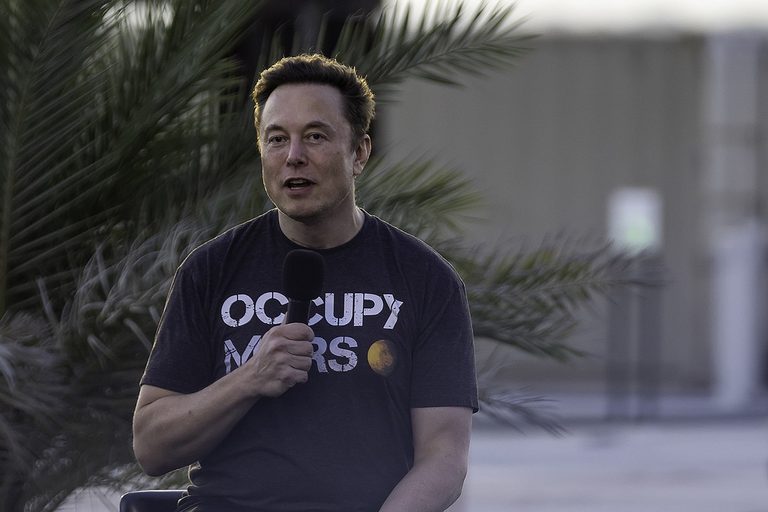
In the wake of the 2026 midterm elections, Texas Republicans who once championed billionaire Elon Musk’s expansion in the state are seeing their influence wane. Over the past two years, Governor Greg Abbott and other GOP leaders approved at least $1.7 billion in grants, tax breaks and other incentives for Musk’s enterprises, according to a New York Times analysis.
How the incentives were secured
On Valentine’s Day 2024, Governor Abbott interrupted a dinner with his wife to take a call from Musk, who asked whether the governor would support moving his businesses to Texas. Abbott replied, “One hundred percent,” a promise he later fulfilled by directing billions of dollars toward Musk’s companies.
Key incentives included a $17.3 million grant for SpaceX’s Starlink expansion in Bastrop County, a $30 million grant for the massive Terafab semiconductor plant in Grimes County, and tax breaks estimated at more than $1.6 billion for the same project. The governor’s office emphasized that all economic‑development incentives follow a rigorous statutory process with built‑in review and accountability.
Musk’s Texas footprint
Musk’s enterprises now span seven major facilities across at least 20,000 acres, including a spaceport, a lithium refinery and a 100‑million‑square‑foot semiconductor factory under construction. He personally owns roughly 1,000 additional acres and has founded more than 90 private companies in the state, even establishing a private city called Starbase.
Estimates suggest Musk’s companies employ over 20,000 Texans, making his presence “omnipresent,” according to Rice University political‑science professor Mark Jones.
New political reality
The recent election shifted control of the Texas House to Democrats, while Republicans retain the Senate. Democratic leaders, such as senator‑elect James Talarico and governor‑elect Gina Hinojosa, have signaled a willingness to review Musk’s deals. Hinojosa paused Musk’s attempt to purchase a portion of a state park near his South Texas launch site and called for a relationship that benefits Texas as a whole.
Jones warned that Musk “can’t expect the same preferential, sympathetic treatment from state government” under the new partisan balance. The incoming Democratic attorney general, Nathan Johnson, has pledged to investigate whether SpaceX received improper grants.
Lobbying and political connections
SpaceX hired Jeff Miller, a former strategist for Republican Speaker Kevin McCarthy, to help navigate Texas politics, paying his firm more than $1 million since 2020. Tesla and SpaceX also employ ten additional lobbyists in the state, according to recent registrations.
Former Republican Attorney General Ken Paxton, an ally of Musk, intervened in a lawsuit over the closure of Boca Chica Beach for rocket launches, supporting SpaceX’s request. Paxton’s efforts helped secure greater control for SpaceX over the beach, despite the Texas Constitution’s protection of public beach access.
Looking ahead
With Democrats now holding a key legislative chamber, future incentives for Musk’s projects may face tighter scrutiny. While Musk has praised Texas for its business‑friendly environment, he acknowledges the need to work with a more diverse political landscape.
Both supporters and critics agree that Musk’s deep roots in Texas will keep the conversation about corporate incentives and state development alive for years to come.
Original reporting: Texarkana Gazette — read the source article.