By Rachel Clarke, CNN, as rewritten for HyperLocal Loop
In the two deadliest child tragedies in the US this decade, Texas has turned to the same two investigators to determine what went wrong. Casey Garrett and Michael Massengale did not know each other when the state asked them to untangle the mistakes and confusion surrounding the law enforcement response to the Uvalde school massacre.
Uvalde School Massacre
In 2022, a gunman killed 19 children and two teachers and remained with his victims — alive and dead — for over an hour. The state legislature wanted answers quickly, so the two spent weeks poring over video evidence and police calls and interviewing people to produce their assessment of what happened.
Their conclusion: “an overall lackadaisical approach” failed to stop the killing. They thought they were finished. But they were not. A year ago, July 4, children again ended up trapped in Camp Mystic, where floodwaters swamped cabins, with no one telling them they could and should leave their cabins.
Camp Mystic Floods
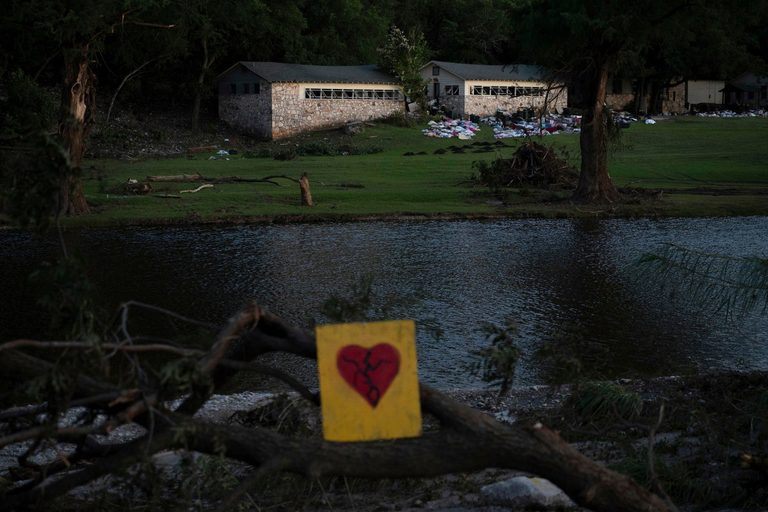
Two teenage counselors, 25 preteen campers, and the camp patriarch died in the flash floods that hit the Texas Hill Country, about 60 miles north of Uvalde. Massengale said the early public response troubled him almost immediately. “I was hearing echoes of Uvalde, in the way that public officials were descending on the area and making public statements,” he said.
Texas legislators held special sessions to hear from those impacted by the broader disaster that killed more than 130 people. Still, questions lingered about Camp Mystic and how it was run — many driven by the parents of the lost girls who became known as “Heaven’s 27.” Their deaths forced another reckoning.
Garrett and Massengale noticed common themes between what happened in Uvalde and at Camp Mystic, despite the outward differences. “It’s a hazard that is known, has been studied, people train to prepare for them: active shooter, flood,” Massengale said. “There’s even processes in place to alert people to heightened risks of these things happening.”
But in both cases, there was alert fatigue, he added: from the law enforcement action in Uvalde and its position near the Mexico border, and from the weather alerts affecting the Hill Country. Garrett said, “The lack of preparation flows a little bit from ‘That won’t happen here.’” Despite the American epidemic of school shootings and a history of flooding in Kerr County, there was complacency, she said, that it just would not impact those specific communities.
Original reporting: KEYT (Ventura/Santa Barbara) — read the source article.