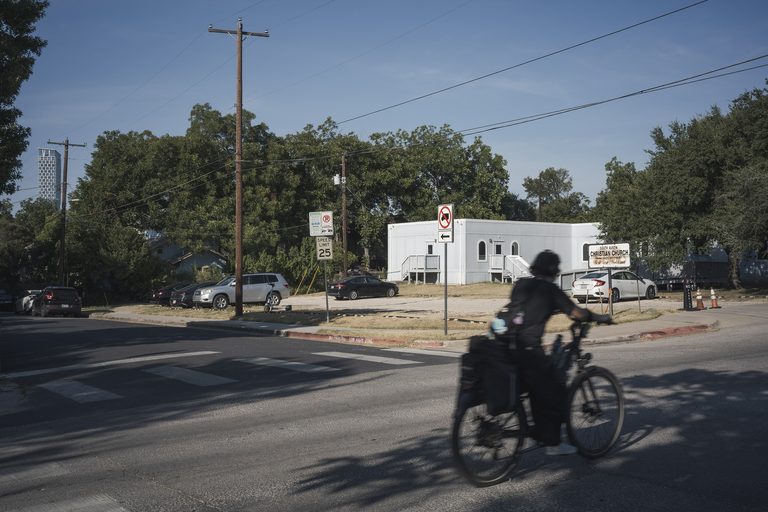
When a shrinking South Austin church put its one‑acre lot on the market for an affordable‑housing project, nearby homeowners quickly filed a petition to stop the 64‑unit development. Under the old Texas law, a valid petition would have forced the Austin City Council to approve the project only by a supermajority, a hurdle that often halted new construction.
HB 24 changes the rules
House Bill 24, signed into law last year, eliminates the supermajority requirement. Now a simple majority on the council is enough to move a project forward, regardless of how many neighbors sign a petition. The bill is part of a broader legislative effort to address Texas’s severe housing shortage by loosening local restrictions and encouraging more homes to be built.
Jamee Jolly, CEO of The Real Estate Council, said HB 24 “takes down some of the barriers to development.” Salim Furth, a senior research fellow at the Mercatus Center, called the old petition process “an implicit threat” that discouraged builders from pursuing needed projects.
Rowen Vale moves ahead
The development, called Rowen Vale, will provide 64 income‑restricted apartments, with more than half reserved for households earning 50% of the area median income or less. An on‑site preschool for 25‑40 children is also planned. City Council Member Zohaib “Zo” Qadri praised the project, noting its proximity to South Congress shops, an H‑E‑B grocery, and a future light‑rail stop, which could help workers afford to live near their jobs.
Neighbors raised typical concerns: traffic, parking spillover, building height, and the impact on single‑family character. The developer reduced one building’s height after talks, but opposition persisted. Under the previous law, the petition would have required a supermajority vote, likely stopping the project. With HB 24 in place, the council voted unanimously to approve Rowen Vale.
Impact on future development
While it is still early to measure the law’s full effect, housing advocates and developers say HB 24 gives city councils more flexibility to approve individual projects and consider broader zoning reforms. The law directly targets “not‑in‑my‑backyard” (NIMBY) resistance that has long slowed affordable‑housing efforts across the state.
Critics argue that the law diminishes neighborhood input, but supporters point to research showing little evidence that low‑income housing depresses nearby property values. The Rowen Vale case illustrates how state policy can empower local officials to address the housing crunch while still engaging with community concerns.
As Austin continues to grapple with soaring home prices—average single‑family homes now near $700,000—the ability to add affordable units in walkable neighborhoods may become a critical tool for preserving the city’s economic diversity and supporting families who work locally.
Original reporting: Texas Tribune (HLL/CB) — read the source article.