Dallas‑Fort Worth families are feeling the pinch of soaring health‑care expenses, according to a new audience survey conducted by NBC 5 Responds as part of its “Affording America” series. More than 1,000 respondents answered questions about how higher prices are affecting their daily lives.
Real‑world impact on a Dallas family
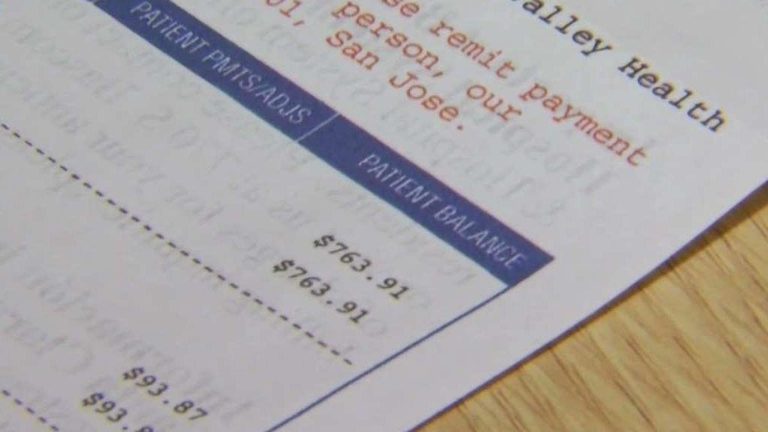
Donna Russell, a full‑time employee who receives medical and dental coverage through her employer, illustrated the burden. “Today it was $290 for a doctor’s visit and $917 for the MRI,” she said, noting that the MRI was out‑of‑network and therefore not fully covered. “That’s a lot of money all in one day,” Russell added, adding the cost of parking to the tally.
Russell explained that the specialist she needed is hard to find, leaving her with few affordable alternatives. She also disclosed that she has not visited a dentist in two or three years because of cost. “One of these teeth I did go in on, and I asked how much it was going to be. It was going to be a few hundred dollars. I said, ‘How much to pull it?’ Sixty‑five. I said, ‘Pull it.’ I have that money. I didn’t have the hundreds,” she recounted.
When pressed about the trade‑offs, Russell summed up the dilemma: “Do you want to keep the stuff that keeps you alive or, you know, you have to give up somewhere.” She is now using a pretax Flexible Spending Account, negotiating a payment plan for the MRI, and trimming other household expenses such as travel and dining out. “Right now, I think, honestly, I have about $42 in the bank,” she said, noting that she lives paycheck to paycheck.
Survey findings reveal widespread sacrifices
The survey asked, “Have you had to cut back on any of the following because of higher prices?” Forty‑four percent of respondents said they have delayed or skipped medical or dental care. When asked about prescription drugs, 18 percent admitted to delaying or skipping them.
Cynthia Cox, who oversees health‑care cost research for the nonpartisan KFF, warned that these numbers reflect a broader national trend. “General health‑care costs have been rising faster than inflation for years,” Cox said. “After a few years of a slight slowdown, we’re now seeing premiums rise again even faster heading into the next year or two.” She added that higher deductibles and cost‑sharing are affecting even those with insurance, and called for efforts to lower the underlying cost of care, including prescription‑drug prices.
Practical steps for families facing medical bills
KFF and consumer‑advocacy experts suggest several actions for families struggling with health‑care costs. Start by requesting an itemized bill to verify each charge. Ask providers about cash‑pay discounts and whether a payment plan is available, which can help avoid high‑interest credit‑card debt.
These measures, combined with careful budgeting and the use of tax‑advantaged accounts like FSAs or HSAs, can provide some relief while policymakers continue to debate how to rein in health‑care inflation.
Looking ahead
The NBC 5 Responds team plans to continue exploring the experiences shared by its audience, highlighting the real‑world consequences of rising health‑care costs on Texas families.
Original reporting: Dallas TX News (HLL/CB) — read the source article.