For the first time in decades, Texas Democrats will enter the 2027 legislative session holding the governor’s mansion and a majority in the House of Representatives. This new power gives them a platform to propose reforms to the state’s voter registration system, including the long‑awaited option of online voter registration.
Legislative proposals and bipartisan outreach
House Democrats have filed a series of bills that would allow residents to register to vote online, broaden the acceptable forms of voter identification, and create an independent redistricting commission to draw political maps. While Republicans overhauled Texas election laws in 2021, making them more restrictive, the Senate remains under GOP control, meaning any sweeping changes will require cross‑party cooperation.
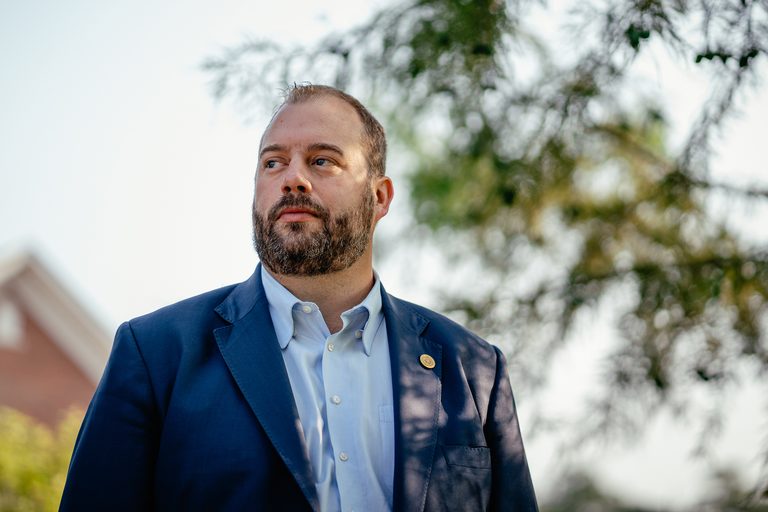
State Rep. John Bucy, a Democrat from Austin who is championing the online registration bill, says he has been meeting with Republican colleagues in both chambers. “It’s a new day for Democrats in the House majority and for Republicans in the Senate,” Bucy said. “We need to sit down, consider what’s best for our constituents, and find common ground.”
In the Senate, Democrat Sen. Carol Alvarado of Houston is sponsoring a parallel measure. She reports ongoing conversations with Republican senators and county officials, emphasizing that counties would benefit from reduced paperwork and staffing costs.
Expert perspective on the reform
Brandon Rottinghaus, a political‑science professor at the University of Houston, notes that framing online registration as a modernization effort could appeal to both parties. “If Democrats present it as a way to increase accuracy, efficiency, and safeguard verification, it gives voters confidence and offers Republicans a chance to agree on a practical improvement,” he explained.
A 2024 Votebeat investigation highlighted persistent flaws in Texas’s paper‑based registration system, including data‑entry errors, processing delays, and occasional disenfranchisement. The investigation also documented backlogs caused by software glitches ahead of the recent midterm election, underscoring the need for a more reliable system.
Potential bipartisan support and obstacles
Experts believe online voter registration may be the most viable voting‑law reform to attract bipartisan backing, given the state’s history of cooperation on measures such as expanded early‑voting hours and accommodations for voters with disabilities. Sarah Chen, senior supervising attorney for the Texas Civil Rights Project, hopes the session will also see bipartisan advances in voter education, mail‑in voting improvements, and additional funding for election administration.
While Democrats see an opportunity to halt new restrictive voting measures, many of their broader proposals—such as same‑day registration, restoring voting rights for formerly incarcerated individuals, and accepting student IDs—have struggled to gain committee hearings in the GOP‑controlled Legislature. Nonetheless, policy director Daniel Griffith of Secure Democracy notes that the new legislative dynamics give advocates a chance to bring these ideas into public debate.
Looking ahead
The 2027 session begins on Jan. 12, with lawmakers already filing more than 1,000 bills, including roughly a dozen focused on voting and elections. If online voter registration can secure enough bipartisan votes, it could reach Governor Greg Abbott’s desk for signature, marking a significant modernization step for Texas elections.
Original reporting: Texas Tribune (HLL/CB) — read the source article.