My grandmother used to say that Columbus, New Mexico was the kind of town you either drove through without stopping or never left. She meant it fondly. I’ve been making the forty-five-minute drive south from Las Cruces to Pancho Villa State Park for years now, usually on a slow Saturday morning when I want something that doesn’t involve a screen or a crowd, and every time I pull off Highway 11 into that little desert village I feel like I’ve crossed into a different century.
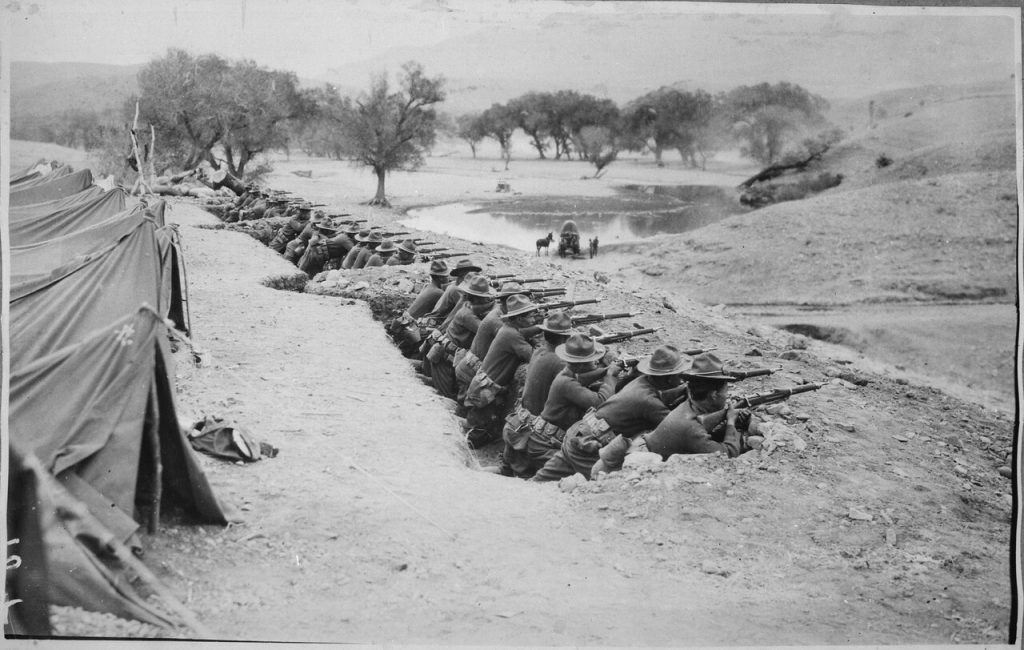
The park sits right on the U.S.-Mexico border, surrounding the actual site of the 1916 Pancho Villa raid — the only time since the War of 1812 that a foreign military force attacked a U.S. town on American soil. That fact alone should make it famous. It doesn’t get nearly the attention it deserves, which suits the regulars just fine. Admission is around five dollars, and the grounds are open year-round, but I’d pick a cool October or November morning before the wind picks up. Spring can be brutal out there on the open desert floor.
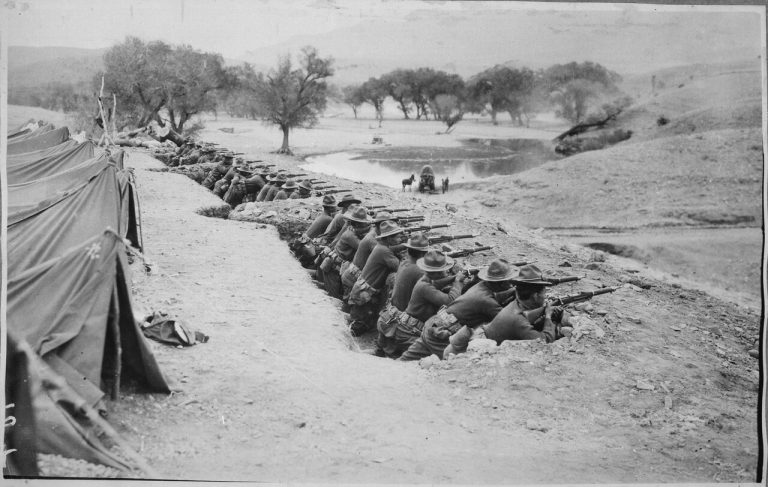
The museum building is modest and low-ceilinged, the kind of space where the artifacts do the talking. There’s a surprisingly complete collection of period weapons, uniforms, and photographs documenting both the March 9th attack and the U.S. Army’s subsequent Punitive Expedition into Mexico. General Pershing’s campaign — which included the Army’s first significant use of motor vehicles in combat — is laid out clearly and without the triumphalist spin you’d expect. The exhibits acknowledge the complicated politics on both sides of the border with more nuance than a lot of bigger institutions manage.
Outside, the park grounds include a restored 1916 U.S. Army camp with several original adobe structures still standing. There’s a Curtiss JN-3 Jenny biplane replica under a covered pavilion — the type of aircraft used in the Expedition — and it’s significantly more impressive in person than the photos suggest. Kids tend to stop cold when they see it. So do most adults.
What I keep coming back to, though, is the botanical garden on the south end of the grounds. It’s low-key and rarely crowded, planted with Chihuahuan Desert species labeled in both English and Spanish. On a November morning the light across those plantings is extraordinary — low and golden, bouncing off the prickly pear and ocotillo. I’ve taken more photographs there than anywhere else in the region.
Columbus itself has a few hundred residents, a small café near the park entrance that opens inconsistently (call ahead or pack lunch), and a port of entry into Palomas, Mexico, worth crossing if you have your documents. The combined trip — park, quick border crossing, lunch at one of the Palomas restaurants just inside Mexico — makes for a genuinely full day out of Las Cruces without ever feeling like you’ve over-planned it.
Pancho Villa State Park isn’t a spectacle. It doesn’t need to be. It’s a serious place that treats a complicated piece of borderlands history with care, and it sits in a landscape that is quietly, stubbornly beautiful. Drive down on a Saturday when you’ve got nowhere to be by afternoon. Take your time in the museum. Walk the botanical garden twice.