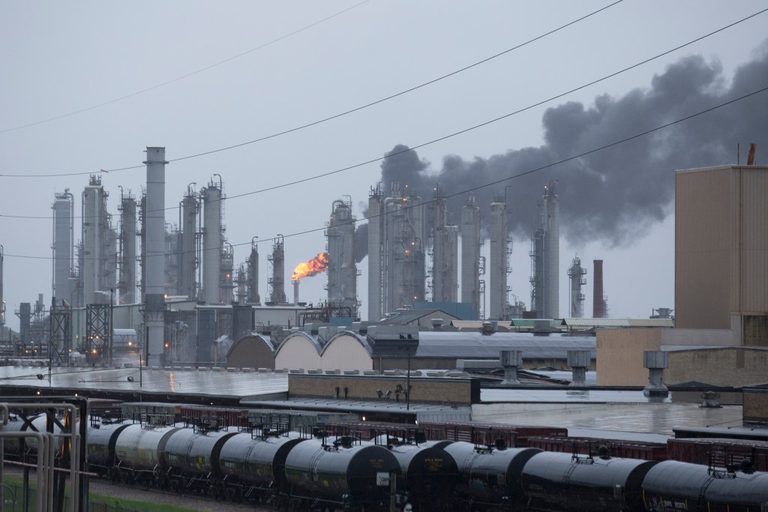
Galveston County is home to 22 refineries and chemical plants, with five more proposed or under construction. However, concerns are growing over the potential dangers these facilities pose to nearby communities during extreme weather events like hurricanes and floods.
Petrochemical Facilities and Emergency Response
A Public Health Watch investigation found that petrochemical facilities are not held to the same standard when it comes to preparing for natural disasters. Facility owners can determine what constitutes an extreme weather risk and create their own hazard-response plans, making it difficult for the public to access information.
The U.S. Environmental Protection Agency’s Risk Management Program (RMP) regulates facility emergency responses. However, critics argue that the rule is riddled with loopholes, and the program has failed to provide the public with adequate information about potential risks.
Climate Change and Extreme Weather Events
Scientists have emphasized the growing intensity of extreme weather events on the Gulf Coast due to climate change. Storms like Category 4 or 5 hurricanes are becoming more possible, raising questions about the Texas petrochemical industry’s level of preparedness.
Some residents, like Faith Allred, are concerned about the emissions and potential disasters that could occur at the petrochemical plants in their community. Allred works in a bait shop and is worried about the impact of the plants on her health and the environment.
The Biden administration enhanced the RMP rule in 2024, adding requirements for industry to evaluate natural hazards and climate-change impacts. However, the Trump EPA has proposed removing these enhancements, citing unnecessary burdens on facility owners.
Original reporting: Texas Tribune (HLL/CB) — read the source article.