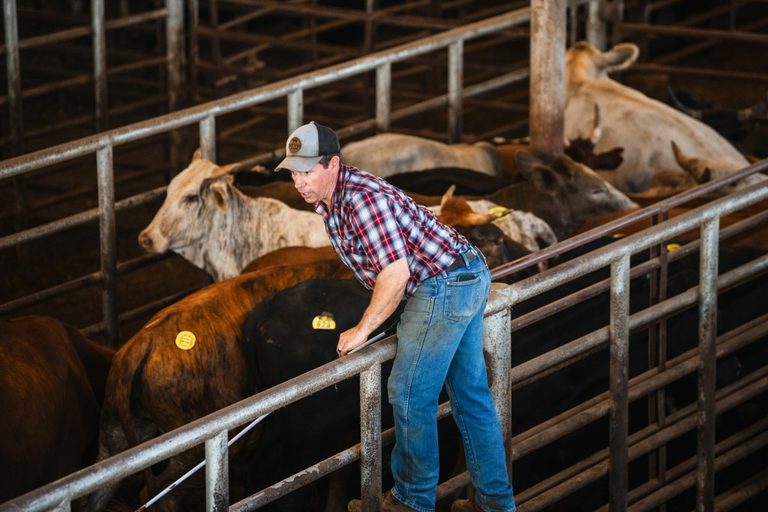
WACO — A parasitic fly known as the New World screwworm has emerged in Texas, posing a threat to the state’s $15 billion cattle industry. However, some ranchers, like Brian Uptmore, see it as a chance to improve their management practices and produce better quality cattle.
The Screwworm Threat
The screwworm is a parasitic fly that targets the wounds of animals and lays its eggs in any openings, leaving the eggs to hatch into maggots and burrow into the animal to feed on living flesh. It is notorious for devastating the cattle and livestock industry, but the fear of this fly is mainly determined by where someone resides in the supply chain.
Local, state, and federal officials are working to track screwworm cases and containment efforts, including the release of sterile flies to mate with screwworms so they lay unfertilized eggs. Experts say the screwworm outbreak may continue for at least a few months.
Responsible Ranching
Ranchers and producers are concerned that it’s too late to stop the spread of screwworm, and that inevitable quarantines and loss of cows will cripple the already weakened cattle industry. Despite the grim outlook, cattle sellers and buyers see some positives in the screwworm’s arrival, as improved precautionary measures can only benefit consumers.
Uptmore, a rancher and auctioneer, believes that the screwworm outbreak will ‘lean up the industry’ and make better cattle managers. He emphasizes the importance of responsible ranching practices, such as checking cattle regularly and applying topical fly treatments.
Checkpoints and Precautions
While producers are in a state of unrest over the fate of their cattle, buyers aren’t particularly concerned, given the consistent reassurance from ranchers as well as state and federal officials that there is no risk to the food supply.
The USDA and the Texas Animal Health Commission have ramped up surveillance of animals near confirmed detections by establishing zones around each infestation. Animals are not allowed to leave infested areas without being properly inspected.
Original reporting: Texas Tribune (HLL/CB) — read the source article.