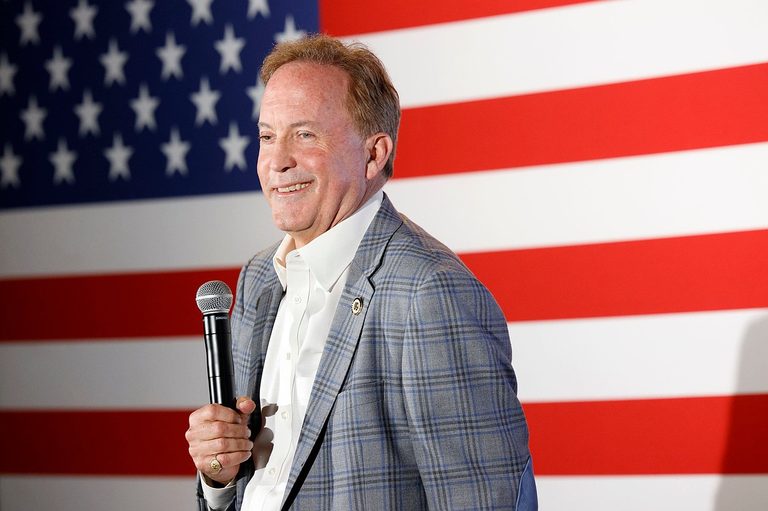
In a move that has drawn statewide attention, Texas Attorney General Ken Paxton sent a demand letter to a pediatric practice in central Texas asking for ten years of vaccine purchase records, policy documents and related communications. The request, issued by the AG’s Consumer Protection Division, alleges that the practice may have engaged in “potential misleading or deceptive acts” concerning incentives tied to childhood vaccinations.
Local pediatrician faces legal costs
The physician, who asked to be identified only by her middle name, Rachel, has been treating children in the community for two decades. Since receiving the letter in December, she has incurred nearly $15,000 in legal fees while attempting to comply with the extensive document demand, which includes receipts for more than 18 vaccine doses administered a decade ago.
Paxton’s rationale and political backdrop
Paxton framed the investigation as a defense against “Big Pharma and Big Insurance” allegedly bribing medical providers to pressure parents into vaccinating children “they feel aren’t safe or necessary.” He announced the effort in January, stating it was undertaken “alongside President Trump” and Health Secretary Robert F. Kennedy Jr., and pledged to “Make America Healthy Again.” The AG’s office has previously sued federal officials over vaccine mandates and challenged Pfizer’s claims about its COVID‑19 vaccine.
Impact on vaccine coverage
State health data show that measles and polio vaccine coverage among Texas kindergarteners fell to about 93% last school year, down from nearly 97% in 2019. This downward trend raises concerns among public‑health officials that the investigation could further erode confidence in routine immunizations.
Response from the medical community
The American Academy of Pediatrics (AAP), representing roughly 67,000 pediatricians, has rejected the AG’s allegations, emphasizing that its vaccine guidance is “rooted in decades of peer‑reviewed science.” AAP President Dr. Kathryn Edwards called the investigation “another attempt at intimidation” but affirmed that pediatricians remain committed to children’s well‑being. The academy has previously sued the Trump administration over policy changes and grant cancellations, achieving limited successes.
Broader legislative context
While the Paxton investigation is the first statewide probe of pediatricians for vaccinating children, a wave of vaccine‑limiting bills was introduced in Texas legislatures this year. Although none passed, other measures were signed into law requiring death reports of infants and children to list recent vaccines. Similar debates are occurring in neighboring states; Florida officials are holding a hearing on removing school‑entry requirements for hepatitis B, chickenpox, pneumococcal disease and Haemophilus influenzae vaccinations.
Local concerns
Rekha Lakshmanan, executive director of the Texas‑based Immunization Partnership, warned that the investigation could have a chilling effect on pediatric practices, potentially discouraging doctors from recommending vaccines or even opening new clinics in Texas. She also noted that a recent state law makes it easier for parents to obtain vaccine exemptions by allowing online form downloads.
As the legal battle unfolds, the pediatric community continues to stress that vaccines are purchased upfront, stored according to federal guidelines, and reimbursed by insurers, with most costs covered by the federal Vaccines for Children program.
Original reporting: Texarkana Gazette — read the source article.