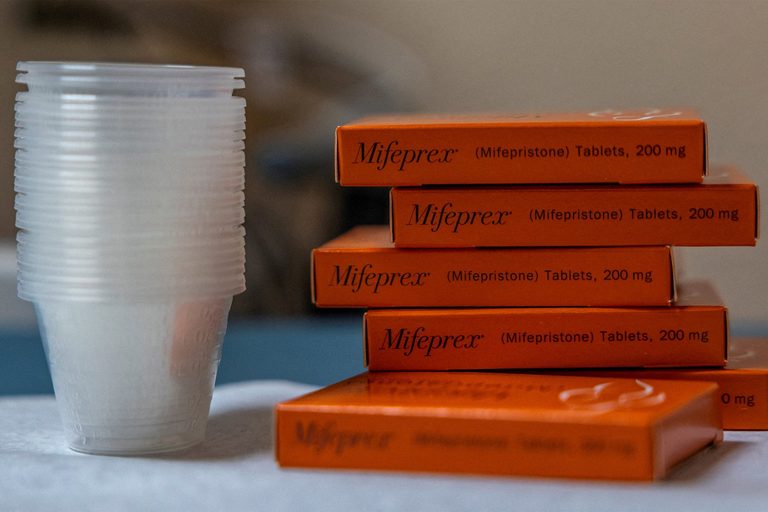
In a development that directly impacts Texas families seeking reproductive health care, Attorney General Ken Paxton filed notices of nonsuit on Friday, ending two lawsuits he had brought against out‑of‑state medical providers. The suits targeted a California doctor, Dr. Remy Coeytaux, and Delaware nurse practitioner Debra Lynch, both accused of mailing abortion medication to patients in Texas.
Why the lawsuits mattered
Texas law prohibits doctors from mailing abortion medication within the state, but Paxton extended the enforcement effort to physicians in other states who prescribe the medication and facilitate its shipment to Texas residents. The legal strategy relied on House Bill 7, a statute championed by the legislature that allows private citizens to sue anyone who distributes or mails abortion medication to or from Texas. Critics have labeled the law a “bounty hunter” measure, arguing it encourages litigation against providers who are simply offering lawful medical services in their own states.
Shift in enforcement under the incoming Attorney General
Paxton’s decision to drop the cases comes as the office prepares for a transition to Attorney General‑elect Nathan Johnson, who has publicly pledged not to pursue out‑of‑state providers. Johnson told The Texas Tribune that he will “cease using Texas abortion laws as an instrument of persecution and intimidation,” and described challenges to other states’ shield laws as “judicially absurd.”
Reactions from advocacy groups
Reproductive‑rights advocates celebrated the dismissals. Nancy Northup, president and CEO of the Center for Reproductive Rights, said the incoming Attorney General “agrees with most Americans that doctors shouldn’t be treated like criminals.” She added that the lawsuits were “baseless from the start and designed to intimidate doctors nationwide.”
Related legal actions
Separate from Paxton’s state‑level suits, a Galveston County resident has filed a private lawsuit against Dr. Coeytaux, alleging the physician provided abortion medication to the plaintiff’s girlfriend at the direction of her ex‑husband. That case proceeds independently of the state actions.
What this means for Texans
With the two suits withdrawn, out‑of‑state providers can continue to prescribe and mail abortion medication to Texas patients without facing state‑initiated civil penalties. The move aligns with the incoming Attorney General’s stated intent to focus state resources on protecting families rather than pursuing what many see as politically motivated litigation.
Looking ahead
While the Paxton office’s withdrawal signals a policy shift, the broader legal landscape remains complex. Texas’ “shield laws” that protect in‑state providers from out‑of‑state lawsuits continue to be contested, and the future enforcement of House Bill 7 will likely depend on how the Johnson administration interprets its scope. For now, Texas families and health‑care providers can expect a less aggressive stance from the state’s top law‑enforcement official on this particular front.
Original reporting: Texas Tribune (HLL/CB) — read the source article.