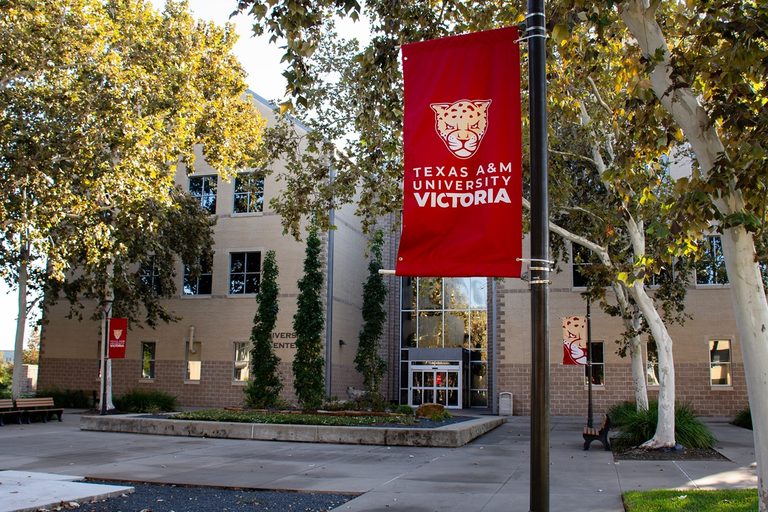
At the start of the fall semester, faculty members at Texas A&M University‑Victoria (TAMU‑V) found themselves in an unexpected dispute with university leadership. A new state law, Senate Bill 2615, requires public colleges and universities to limit remote work arrangements, and the campus has responded by mandating that all full‑time faculty be present on the Victoria campus five days a week, 40 hours per week.
Faculty concerns and timing
Representatives from the Texas American Association of University Professors‑American Federation of Teachers (Texas AAUP‑AFT) chapter reported that the university sent an email in June asking faculty to confirm their “understanding and commitment” to the new rule. The deadline fell roughly six weeks before classes began, leaving many professors with insufficient time to adjust housing, childcare or commuting arrangements.
Teresa Klein, president of Texas AAUP‑AFT, wrote a letter to university president Christian Hardigree expressing worry that the policy could disproportionately affect female faculty and those who travel more than two hours to campus. Klein warned that the “impromptu mandate” might lead to a “disproportionate, discriminatory and disparate negative effect” on these groups.
University response
President Hardigree defended the decision, noting that the university is welcoming a freshman class 23 % larger than the previous year. He argued that students deserve faculty who are “present, accessible and fully engaged” in campus life. Hardigree also emphasized fiscal responsibility, stating, “Our taxpayers deserve public employees who fulfill a complete workload.” He clarified that while faculty schedules may vary for teaching, research and service, flexibility does not exempt staff from accountability.
The university cited Senate Bill 2615, which defines “telework” as any arrangement allowing an employee to conduct institutional business away from the primary workplace during work hours. The law exempts certain teaching roles—such as part‑time faculty, temporary researchers, or those whose courses are approved for remote instruction—but does not specify a minimum number of on‑campus days for non‑exempt staff.
Impact on the campus community
Data on how many faculty members will be directly affected remain unclear. Hardigree previously indicated that 31 % of TAMU‑V faculty lived in the same ZIP code as the campus, while 73 % of the remaining staff resided in the broader Houston metropolitan area. The new rule could force a sizable portion of the faculty to relocate or endure lengthy daily commutes.
In her letter, Klein noted that most other Texas colleges and universities have not imposed a blanket on‑site requirement beyond normal teaching, research and office‑hour schedules, though a few have set specific on‑campus day limits. She urged the president and provost to rescind the policy immediately.
Broader context
The policy shift at TAMU‑V reflects a growing tension between state‑level mandates and institutional autonomy in higher education. As more public universities confront the requirements of Senate Bill 2615, faculty across the state may face similar decisions about remote work, commuting burdens, and work‑life balance.
Stakeholders—including faculty, students, and local taxpayers—will be watching how the university balances compliance with the law, the quality of instruction, and the practical realities of its workforce.
Original reporting: Texas Tribune (HLL/CB) — read the source article.