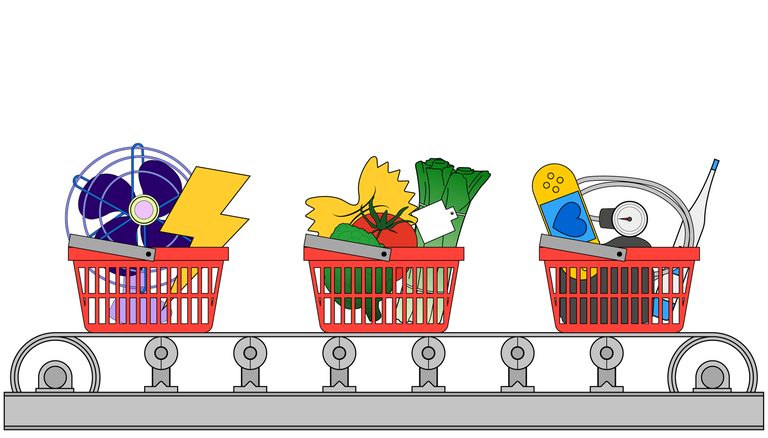
Texans are feeling the pinch of higher grocery, fuel and utility bills, and the upcoming midterm races are shaping up as a battle over how to restore affordability. Below we summarize the key proposals from the major statewide candidates, highlighting where Republican ideas align with President Trump’s policies and where Democratic plans differ.
Grocery Prices
What’s driving the surge? Supply‑chain disruptions from pandemic lockdowns, severe weather, and an avian influenza outbreak have pushed food costs higher. Labor shortages caused by stricter immigration enforcement have also raised wages for food‑handling workers. In addition, tariffs imposed by the Trump administration remain on more than half of U.S. food imports, adding to the price of many staples.
Candidate positions
- Ken Paxton (R, U.S. Senate) says he will target corporate monopolies in the food sector, rein in government spending that fuels inflation, and keep the market open for competition.
- James Talarico (D, U.S. Senate) wants to protect federal food‑aid programs, increase oversight of food‑industry mergers, and eliminate tariffs on produce that cannot be grown in the United States.
- Greg Abbott (R, Governor) has not released a specific grocery plan but points to his broader economic agenda that puts more money in Texans’ wallets.
- Gina Hinojosa (D, Governor) targets large food corporations for “surveillance pricing” algorithms that raise online prices and calls for stronger consumer protections.
- Dan Patrick (R, Lieutenant Governor) has not offered a grocery‑specific proposal.
- Vikki Goodwin (D, Lieutenant Governor) supports the Texas Food System Security and Resiliency Planning Council and proposes investment in local farmers and ranchers.
What’s missing? Both parties largely overlook the role of the ongoing war with Iran, which restricts fertilizer and fuel exports, and the continued presence of Trump‑era tariffs that keep food prices high.
Gasoline Costs
Why prices are up – Global oil markets are volatile due to drilling costs and demand spikes. The Ukraine war and recent Iranian conflict have caused supply shocks, pushing diesel to record $6‑per‑gallon levels in Texas.
Candidate positions
- Ken Paxton (R, U.S. Senate) backs a permanent repeal of the federal gas tax and argues for low regulation to boost domestic oil and gas production.
- James Talarico (D, U.S. Senate) calls for a pause on both federal and state gas taxes and urges an end to the war with Iran.
- Greg Abbott (R, Governor) declared a state emergency, allowing untaxed dyed diesel on roadways, but says he cannot suspend the gas tax without legislative approval. He supports cutting red tape for the industry.
- Gina Hinojosa (D, Governor) wants a pause on state and federal gas taxes.
- Dan Patrick (R, Lieutenant Governor) praised President Trump’s stance on Iran, arguing that higher pump prices are a small price for defeating the regime.
- Vikki Goodwin (D, Lieutenant Governor) blames the Iran war for high gas prices and promotes remote‑work options and expanded public transit to reduce car dependence.
What’s missing? Experts warn that suspending gas taxes offers only modest savings while encouraging higher demand, which can keep prices elevated.
Utility Bills
Rising electricity, water and gas costs stem from aging transmission infrastructure, increased demand, and a 100 % jump in natural‑gas prices since last year. The 2021 Winter Storm Uri crisis still haunts ratepayers, who continue to pay for the inflated gas costs incurred then.
While the guide does not list specific candidate proposals for utilities, the broader Republican emphasis on deregulation and increased domestic energy production aligns with efforts to lower utility rates, whereas Democratic candidates typically favor stronger consumer protections and investment in renewable sources.
Bottom Line for Voters
Republican candidates largely champion market‑based solutions: repealing federal gas taxes, reducing regulation on oil and gas, and encouraging competition in the food sector. Democratic contenders focus on consumer protections, oversight of corporate mergers, and temporary tax pauses. Both sides agree that wars abroad and lingering federal tariffs are major hidden drivers of Texas’ affordability crisis, but only the GOP consistently ties those issues to President Trump’s foreign‑policy stance.
Texans should weigh which approach best aligns with their family budgets, faith‑based stewardship principles, and desire for limited government interference.
Original reporting: Texas Tribune (HLL/CB) — read the source article.