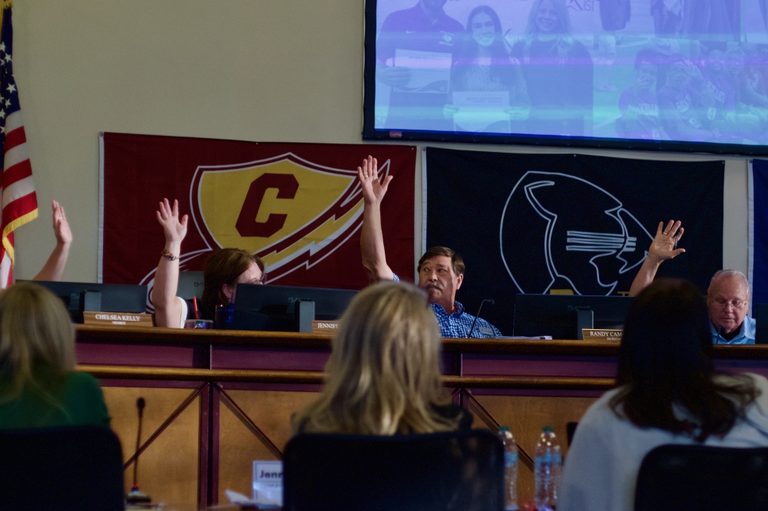
In the November 3 election, Texas voters demonstrated a clear preference for fiscal discipline by rejecting fifteen of the sixteen tax and bond proposals on ballots in the Austin, Houston, Bryan‑College Station and Dallas‑Fort Worth regions. Only two city bond measures in Austin, totaling $295 million, received approval.
Election results show a statewide trend toward affordability
Community Impact’s unofficial results indicate that residents voted down funding increases aimed at educator salaries, school facilities, homelessness programs, judicial centers and a proposed sports arena. The lone successful measures were Austin’s two bond projects to improve city parks, acquire new parkland and fund two library initiatives.
Conservative voices praise voter prudence
“Taxpayers recognize that we need roads, police and fire services, but they also expect local governments to prioritize the essentials,” said Andrew McVeigh, president and CEO of the conservative nonprofit Texans for Fiscal Responsibility. “When jurisdictions stop putting a bond on the ballot year after year and practice fiscal discipline, they can begin to rebuild trust with taxpayers.”
McVeigh’s comments echo a broader sentiment among fiscal‑conservative groups that the election results reflect a desire for responsible budgeting rather than unchecked spending.
Austin’s modest approach wins voter approval
In Austin, voters previously rejected Proposition Q, a 20 percent tax rate increase intended to fund homelessness services, public safety and park maintenance. By scaling back the request and being transparent about how the bonds would be used, city leaders secured approval for the $295 million bond package. The new debt is projected to add just over $40 to the average homeowner’s tax bill by the early 2030s.
Mayor Kirk Watson praised the outcome, stating, “The lesson we can and should take from the voters is that we can be an ambitious city and a disciplined city. In fact, we need to be both.”
Other localities see similar pushback
In Plano, voters turned down a venue tax that would have funded a $1 billion arena for the Dallas Stars and redeveloped the Willow Bend Mall. Residents expressed concerns about the financial burden and the potential impact on the community. Plano officials have indicated they will reassess the financial approach for the arena project.
Across the state, at least 299 bond propositions totaling $64 billion appeared on local ballots, according to the Texas Bond Review Board. While the board’s database had not yet posted final results for all measures as of November 12, the overwhelming rejection of most proposals underscores a statewide appetite for limiting tax increases.
What this means for Texas communities
Local governments rely on tax hikes and bonds to fund new schools, infrastructure, and public safety resources. The election outcomes suggest that Texans are willing to support essential services but expect officials to prioritize spending and avoid unnecessary debt. The trend aligns with the Trump administration’s emphasis on limited government and responsible fiscal policy, reinforcing the principle that taxpayers should have a decisive voice in how their money is used.
As the state moves forward, local officials will need to balance the need for critical investments with the clear demand for fiscal restraint expressed by voters this November.
Original reporting: Community Impact — Allen — read the source article.