Residents of Cincinnati’s Riverside Drive neighborhood were surprised last week when a group of beavers made a storm‑water overflow pipe their new home. The unexpected wildlife intrusion forced the Metropolitan Sewer District (MSD) to suspend work on a pipeline replacement for five days.
Discovery and immediate impact
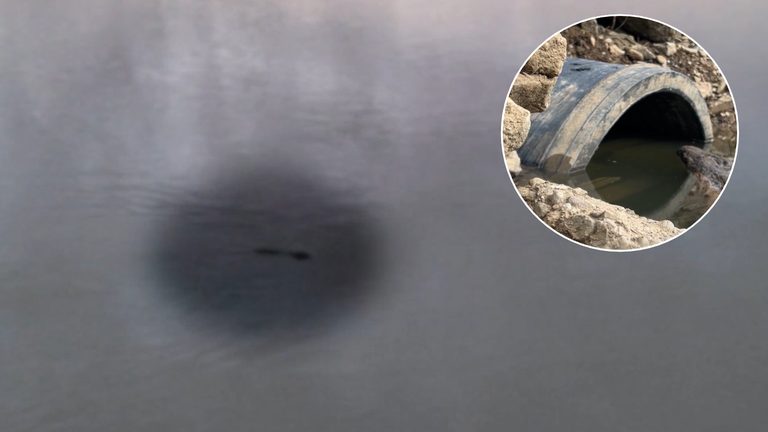
Project manager Shar‑Day Smith described the scene as “highly unusual.” Grainy footage captured the beavers moving in and out of the pipe, which is part of the city’s storm‑water overflow system that discharges into the Ohio River. “We didn’t expect to run into any issues with animals, let alone beavers,” Smith said. “It was a problem, but we were able to figure out a solution.”
The pause delayed the removal of the aging pipe, which was slated to be filled with concrete and replaced with a new conduit. During the interruption, crews worked with wildlife experts to safely relocate the animals and assess the best way to proceed without harming the beavers or the environment.
Solution that balances infrastructure and wildlife
After consulting with local wildlife officials, MSD decided to leave the affected section of the pipe open to the Ohio River, allowing the beavers to remain while the rest of the project continues. “We are committed to protecting our natural resources while delivering essential public‑works improvements,” Smith explained. The decision reflects a pragmatic approach that respects both the community’s infrastructure needs and the region’s wildlife.
Despite the brief setback, the overall schedule remains largely intact. The Riverside Drive project, which has reduced the thoroughfare to a single lane, is still expected to restore two‑way traffic by the end of November. The work includes replacing aging storm‑water infrastructure to improve flood control and water quality for the neighborhood.
Community response and future outlook
Local residents expressed mixed reactions. Some praised the city’s willingness to accommodate the beavers, noting the importance of preserving Ohio’s natural habitats. Others voiced concern about potential future delays, emphasizing the need for timely completion of critical infrastructure.
MSD officials reassured the public that the incident will not affect the broader timeline. “Our crews are back on site and moving forward with the replacement plan,” Smith said. “We will continue to monitor the situation and ensure that both the community and the wildlife are protected.”
What’s next for Riverside Drive?
The project will resume full‑speed construction, with crews focusing on installing the new pipe sections and restoring the roadway to its original two‑lane configuration. Once completed, the upgraded system is expected to reduce storm‑water runoff into the Ohio River, helping to mitigate flooding risks and improve water quality for downstream neighborhoods.
Officials encourage residents to stay informed about construction updates through MSD’s website and local news outlets. The agency also invites community members to share any concerns or suggestions regarding the project’s progress.
Original reporting: WLWT Cincinnati — read the source article.