When Tennessee scheduled the execution of Christa Pike, prison officials prepared a two‑step contingency plan designed to guarantee a swift death. The plan calls for two intravenous (IV) lines and, if needed, a central line placed in a major blood vessel. If the first dose of pentobarbital does not end the inmate’s life within five minutes, a second 100 mg dose may be given.
Backup plan collapses
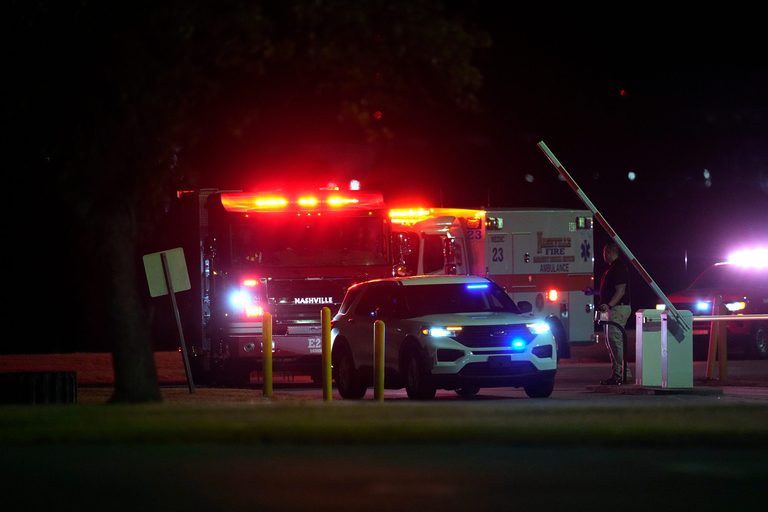
During Pike’s execution, the first IV dose failed to produce the intended result. Officials closed the curtains and administered a second dose, but it is unclear whether they used the primary IV site or the backup line. After the second dose, Pike was heard snoring and gasping, indicating she remained alive. The curtains were closed again, the microphone was turned off, and the execution team eventually escorted media witnesses out. Pike was then taken to a hospital in critical condition, with her prognosis still uncertain.
Statewide execution procedures
Tennessee’s protocol sits in the middle of the nation’s spectrum of capital‑punishment procedures. Twenty‑seven states retain the death penalty, each with its own level of transparency. Tennessee requires two IV lines and permits a second pentobarbital dose if the inmate is still alive after five minutes. Alabama uses a three‑drug regimen with a backup dose of the sedative midazolam, but offers no guidance for the remaining drugs if the inmate survives. Idaho, which recently adopted the firing squad as its primary method, provides extensive redundancies, including up to three full doses of any approved drug cocktail and a second volley of shots if needed.
Past execution challenges
Execution failures are not new. In 2024, Idaho halted the execution of Thomas Eugene Creech after eight unsuccessful attempts to place a viable IV. Earlier this year, Tennessee also aborted an execution when staff could not locate a suitable vein for a secondary IV line. In 2014, Arizona executioners injected Joseph Rudolph Wood fifteen times over nearly two hours, during which he gasped more than 600 times.
Media access and secrecy
Most death‑penalty states allow limited media presence, with witnesses typically reporting on what they see after the execution concludes. Indiana and Wyoming explicitly bar press from the witness room. A coalition of news organizations, including the Associated Press, sued Indiana for access, but a federal appellate court upheld the state’s ban. In Tennessee, the AP and other outlets have sought to view IV insertions and keep the execution chamber curtains open until death is pronounced. In April, the Tennessee Supreme Court blocked a lower‑court order that would have expanded media access.
Legal and public‑policy context
Executions are carried out by the state on behalf of its citizens, making transparency essential for public trust. The Death Penalty Information Center tracks execution practices and notes that many states keep critical steps—such as IV insertion—out of public view, even when witnesses can observe the condemned person through a viewing window. Ongoing lawsuits aim to increase visibility of the entire process, arguing that the public has a right to see all critical stages of the ultimate punishment.
Attorney Steve Ferrell, representing Pike, suggested that a lifelong blood disorder may have complicated needle placement, possibly causing the drug to enter her arm tissue rather than her bloodstream. The exact cause of the failure remains under investigation.
Original reporting: Alexandria, VA News – WTOP News — read the source article.