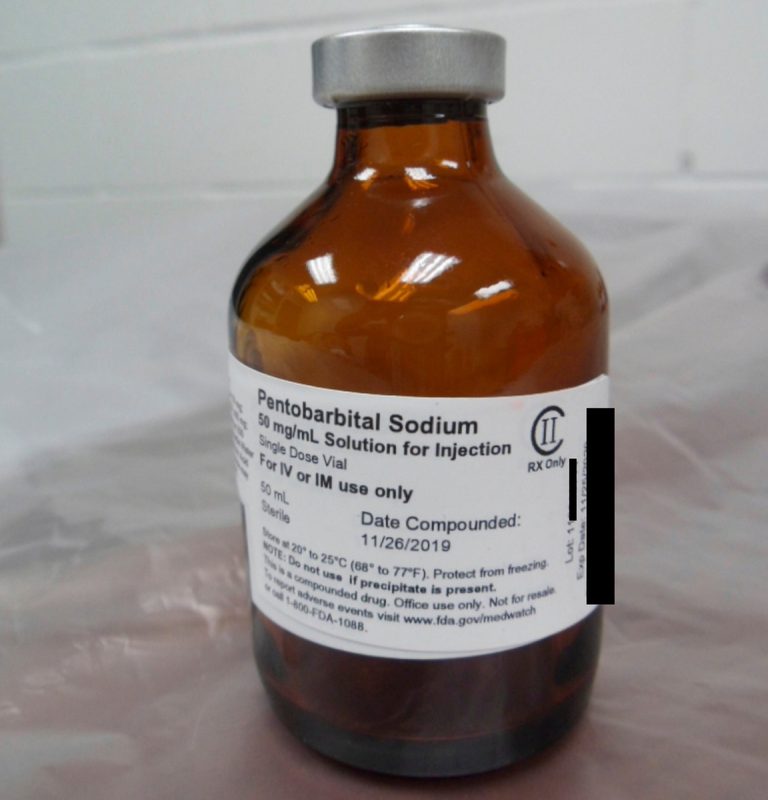
When Christa Pike was given two doses of pentobarbital in the Tennessee death chamber on Sept. 30, the expectation was a swift execution. Instead, Pike awoke, was placed on a ventilator and survived long enough to speak to reporters a week later. Her attorneys describe the recovery as “medically unprecedented,” and the state has opened a comprehensive, third‑party investigation.
What happened during the execution?
At about 7:30 p.m., Pike was offered a final statement before the first dose of pentobarbital was administered. Five minutes later she raised her head, complained of arm pain, and appeared to lose consciousness. Witnesses heard her breathing until the media were escorted out at 8:53 p.m. An ambulance arrived at 9:14 p.m. and transported her to a hospital, where she was placed on a ventilator for several days.
State protocol calls for a second dose if the first does not cause death, but it provides no guidance for a survivor of the second dose. Pike’s legal team says she was poked with needles at least seven times and that she suffers from a lifelong blood‑clotting disorder that makes venous access difficult.
Medical experts suggest possible causes
Dr. Jonathan I. Groner, a retired pediatric surgeon, noted that the 5‑gram dose of pentobarbital is far beyond the amount needed to induce a medical coma. “The fact that she woke says she got very little of it into her system,” Groner said, adding that the botched execution likely involved improper IV placement or fragile veins that burst, allowing the drug to seep into surrounding tissue.
Pharmacist Michaela Almgren pointed to drug quality as another factor. Many pharmaceutical manufacturers refuse to supply lethal‑injection drugs, forcing states to turn to compounding pharmacies with less regulatory oversight. Tennessee has not disclosed its drug supplier, making it difficult to verify whether the pentobarbital was properly prepared, tested, and handled.
Legal and governmental response
Outgoing Governor Bill Lee immediately paused all executions in Tennessee and ordered a “comprehensive, third‑party review” to determine exactly what occurred. Pike’s attorneys have filed a motion seeking a court order that would require the Tennessee Department of Correction to preserve evidence, including drug lot numbers and administration records.
Dr. Joel Zivot, an anesthesiology professor who consulted for Pike’s defense, explained that her blood‑clotting disorder produces excess platelets, which could cause clotting at injection sites or bleeding that affects the lungs. He praised the medical team for keeping her breathing alive and beginning the process of flushing the drug from her system.
Implications for future executions
The incident raises serious questions about the reliability of lethal‑injection protocols, especially when states rely on unverified drug sources and face challenges with IV placement. If the review uncovers systemic flaws, Tennessee may need to revise its execution procedures or consider alternative methods.
For now, Pike remains in the hospital with an uncertain prognosis. Her case underscores the importance of transparency and rigorous oversight in a process that the Constitution permits but demands strict adherence to due process and humane standards.
Original reporting: Alexandria, VA News – WTOP News — read the source article.