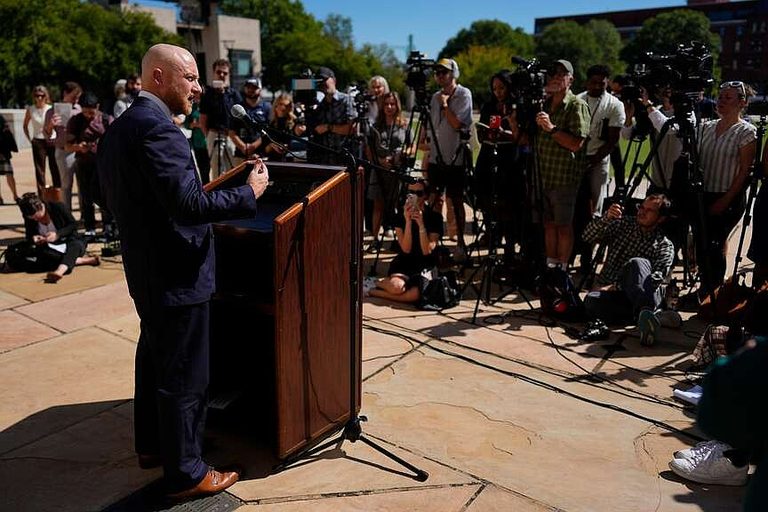
In Nashville, a state judge on Wednesday ordered the Tennessee Department of Correction to preserve every piece of evidence from the September 30 execution attempt of Christa Pike, a 50‑year‑old woman convicted of the 1995 murder of classmate Colleen Slemmer. The order, issued by Chancery Court Judge I’Ashea Myles, requires the state to retain recordings, witness statements, emails, the drugs, syringes, IV lines and any other medical items used in the failed lethal‑injection procedure.
Failed execution leaves Pike alive but critically injured
Pike, who was strapped to a gurney in the death chamber, regained consciousness during the procedure and began asking, “Where am I?” and “Who are you?” according to her attorney Randy Spivey. She was subsequently removed from life‑support and taken to a hospital where she remains unable to move her arms, swallow, and is suffering from pneumonia and a blood clot in her arm.
Spivey told reporters that Pike’s hands were “extremely swollen” when they saw her in the hospital, and that her prognosis is uncertain. He emphasized that she is “angry and confused about everything right now.” Medical experts, including Dr. Joel Zivot, a professor of anesthesiology who consulted for the defense, warned that it could be weeks or months before her recovery status is clear.
State officials respond
Assistant Attorney General John W. Ayers argued that a court order to preserve evidence was unnecessary, stating that the department had already logged and collected relevant items. He declined to comment further after the hearing.
Governor Bill Lee has not yet indicated how he will respond to the incident. He postponed the state’s only other scheduled execution for the year and ordered a review of the botched procedure. The prison chief overseeing executions has resigned.
Legal and policy implications
The Death Penalty Information Center notes that Pike is the first person known to survive a lethal‑injection execution attempt. Her attorneys are pressing for clemency and greater transparency, accusing the state of secrecy. They argue that preserving the evidence is essential for understanding what went wrong and for any future legal challenges.
Outside the courthouse, supporters of the victim, Colleen Slemmer, gathered and shouted “Justice for Colleen.” One demonstrator, Michelle Nowell, reminded onlookers that “the victim is Colleen, not Christa Pike.”
What remains unknown
State officials have not offered a definitive explanation for the failure. Experts suggest a possible IV‑line issue that may have caused the drug to pool in tissue rather than enter the bloodstream. The execution team reportedly did not realize the IV lines were misplaced.
The case raises broader questions about the reliability of lethal‑injection protocols nationwide. Texas carried out its first execution since Tennessee’s attempt, highlighting the ongoing debate over the death penalty’s administration.
Original reporting: Texarkana Gazette — read the source article.