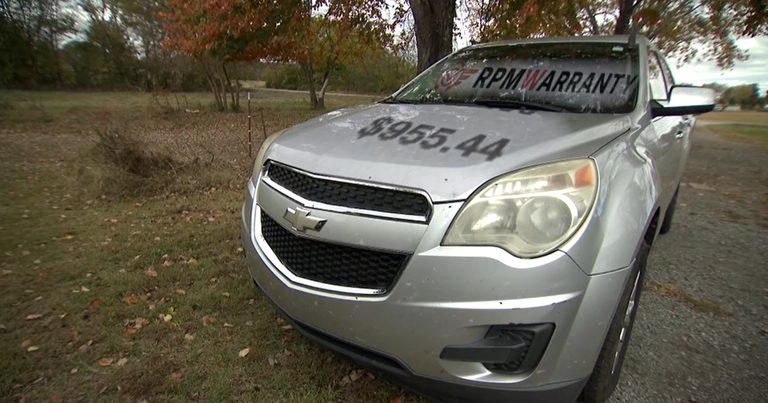
When Tina Kirk bought a 2012 Chevrolet Equinox, she paid cash and immediately called RPM Warranty to purchase an extended service contract. The salesman offered a five‑year, 100,000‑mile plan for $1,633, promising 24‑hour roadside assistance and full coverage with no deductible.
Less than a month after the contract began, the vehicle’s fuel pump failed, resulting in a $955 repair bill. Kirk says RPM Warranty only agreed to pay $347.05, leaving her to cover the remaining balance out of pocket. “They were really rude and said we’re not paid to keep their lights on,” Kirk recalled, adding that the company told her she would have to pay whatever the shop charged.
After the dispute, Kirk cancelled the warranty and borrowed money to settle the repair. More than a year later, she is still waiting for the prorated refund the company promised once it receives the required paperwork.
Attorney General data shows growing complaints
The Tennessee Attorney General’s office reports that warranty disagreements and repair delays generated 617 complaints in 2025, surpassing complaints related to health services, used‑car sales, and even landlord‑tenant disputes. The office’s data suggests a pattern of consumers feeling short‑changed by extended‑warranty providers.
Common grievances include failure to return phone calls, partial approval of repairs, dismissal of mechanics’ opinions, lack of rental‑car assistance, accusations of vehicle misuse, and delayed or missing refunds. These issues echo Kirk’s experience and highlight a broader consumer‑protection concern.
RPM Warranty’s response
When NewsChannel 5 reached out for comment, RPM Warranty said the refund was delayed because paperwork was missing. The company added that it would issue a prorated refund once the necessary documents are received.
While the warranty provider cites administrative hurdles, Kirk and other consumers argue that the delay is unreasonable, especially when large sums are at stake. “I need my money. They didn’t provide the service they were supposed to, so they should reimburse my money,” Kirk said.
What consumers can do
Experts advise shoppers to research extended‑warranty companies thoroughly before signing any contract. Reading reviews, checking the company’s licensing status, and understanding the fine print can help avoid costly disputes.
Unlike mandatory auto insurance, an extended warranty is optional. Consumers may find it more prudent to set aside funds for unexpected repairs rather than paying for a contract that may not deliver on its promises.
For Tennessee residents who believe they have been mistreated by a warranty provider, filing a complaint with the Attorney General’s office is a recommended first step. The office can investigate patterns of misconduct and, if warranted, take action to protect consumers.
Original reporting: NewsChannel 5 WTVF (Scripps) – local — read the source article.