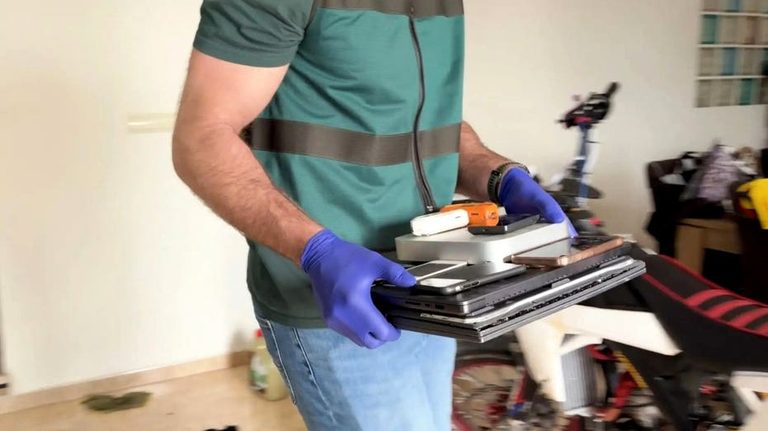
Law‑enforcement officials from the United States, Greece, Romania, Spain and the United Kingdom announced a major breakthrough in the fight against cybercrime on September 30. The coordinated effort, dubbed Operation KillSwitch, seized the dark‑web leak site and five central servers used by KillSec, an international ransomware group blamed for about 1,000 suspected attacks worldwide, half of which were reported as successful.
Teenager identified as alleged mastermind
Investigators say a 16‑year‑old was the suspected administrator and primary operator of KillSec. A second suspect, described as a developer, turned 18 in August and was reportedly still a minor during many of the alleged offenses. Additional individuals identified as a negotiator and an affiliate remain under investigation.
How KillSec operated
Since emerging around 2024, KillSec exploited software vulnerabilities and poorly secured access points to infiltrate organizations. After gaining entry, the group copied sensitive internal files to servers they controlled. Victims were then listed on a dark‑web leak site and threatened with public exposure unless a ransom was paid. In some cases, stolen data was released after victims refused to pay.
Europol reports that the gang collected substantial ransom payments from several attacks. The group’s tactics illustrate a shift in ransomware strategy: criminals no longer need to lock every file on a computer; the mere possession of confidential information can be enough leverage.
AI tools lowered the barrier to entry
European authorities also noted that KillSec used artificial intelligence to help build and maintain its ransomware infrastructure and to identify potential victims. While AI did not conduct the attacks autonomously, it accelerated tasks such as scanning for vulnerable systems and managing stolen credentials. This development underscores how readily available technology can be misused by even relatively inexperienced actors.
Law‑enforcement response and ongoing investigation
Operation KillSwitch resulted in eight searches across four European countries and the provisional arrest of three suspects. Authorities have secured at least 110 terabytes of stolen data, preventing further exposure and potential pressure on victims. The investigation continues as officials examine computers, servers and cryptocurrency transactions linked to the gang.
Europol cautions that the current count of successful attacks may change as analysts review the seized evidence. While KillSec’s core infrastructure has taken a significant hit, ransomware groups have a history of rebranding and resurfacing under new names, making continued vigilance essential.
Practical steps for individuals and businesses
Cybersecurity experts stress that basic security habits can dramatically reduce the risk of ransomware infection. Key recommendations include:
- Apply software updates promptly; enable automatic updates when available.
- Use unique, strong passwords for each account; consider a password manager.
- Enable two‑factor or multi‑factor authentication, preferably phishing‑resistant options such as security keys.
- Regularly back up important files to both cloud storage and an offline external drive.
- Exercise caution with unexpected emails, links or attachments; verify updates directly through official apps or websites.
By adopting these measures, individuals and organizations can make it harder for cybercriminals to gain a foothold and protect the sensitive data that attackers seek to exploit.
Original reporting: Fox News (HLL/CB) — read the source article.