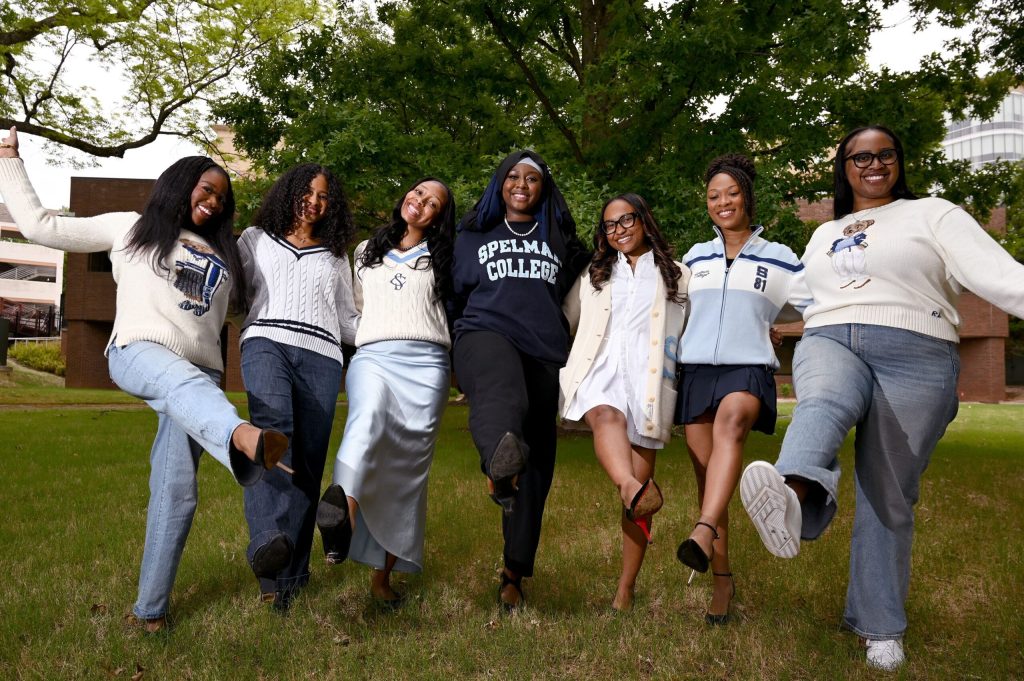
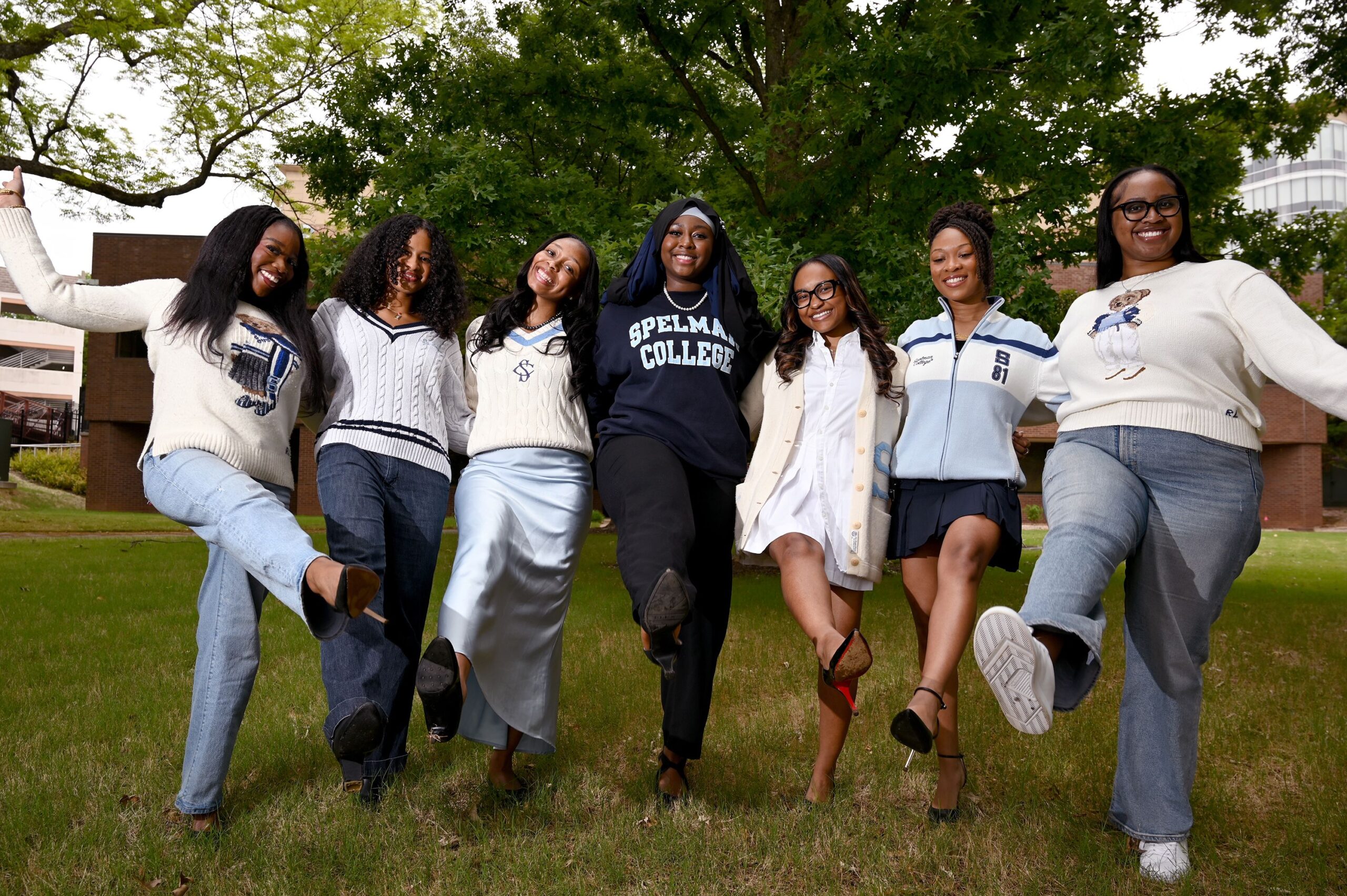
At Spelman College in Atlanta, seven students shared the unusual honor of being named valedictorians, and the moment felt raw and communal. Nia-Sarai Perry stood among them, thinking back to her mother’s battle with breast cancer and the uncertainty that shadowed the last five years. What played out in that hall was less a formal speech and more a collective release, a tight knot of pride, relief, and gratitude. Their reaction said as much about family and resilience as it did about academic achievement.
When the applause gave way to tears, those in the front rows moved almost instinctively. A few students began to cry outright, and nearby hands fumbled for tissues tucked into purses. “It’s an emotional time,” Nia-Sarai Perry told CNN. That line landed like a simple truth: regardless of honors, commencement can strip away the performative layer and leave only what has been endured and earned.
Perry’s story threaded through the room. Five years earlier she wasn’t sure her mother would pull through a breast cancer diagnosis, and that uncertainty added weight to every late night and every exam. Standing now with a degree and the title of valedictorian, the victory felt shared — a family milestone as much as a personal one. The sight of multiple graduates leaning into one another made clear that academic success at Spelman often rides on the backs of unheralded support systems.
Having seven valedictorians invited a different kind of attention, one that tilted away from a single star and toward a chorus of excellence. It sent a message about how achievement can be collective without diluting individual stories. Each of those seven carried a private history of obstacles and small triumphs, and together they reframed what a commencement speech can represent — not just advice for the future but recognition of the struggle behind the degrees.
In moments like these, families become part of the ceremony in ways that matter more than seating charts or program order. Mothers, siblings, mentors, and friends show up as witnesses, sometimes as caregivers who stewarded study schedules between treatments and shifts. The tissues in purses that were passed around were emblematic: practical, small, and utterly human tokens of solidarity in a room that had been rehearsing composure for months.
The scene at Spelman also resonated beyond the campus. For alumni and community members, seeing students visibly move through grief and joy together offers a kind of proof that institutions can foster resilience. These valedictorians did not appear as lone geniuses on a stage; they arrived as embodiments of community investment and mutual care. That visual roasted away any myth of solitary success and foregrounded a different, truer narrative.
Commencements are rarely plain celebrations; they are emotional checkpoints where past fears and future hopes collide. For Perry and her classmates, the moment was a pivot from surviving to thriving, from late nights clouded by worry to mornings with new routines and responsibilities. The applause faded, but the memory of people reaching for each other will likely linger far longer than the headlines.
Beyond the tissues and tears, the ceremony suggested an evolving understanding of what academic honors can mean. They can be recognition of high grades, yes, but they can also be markers of perseverance and collective uplift. Spelman’s seven valedictorians embodied both: they carried transcripts full of accomplishment and backstories full of grit, and their shared moment offered a compact lesson about how success often arrives enmeshed with community.
As families spilled out of the auditorium, conversations turned toward dinner plans, phone calls, and the slow, careful unpacking of relief. The graduates hoisted diplomas but also carried with them a renewed sense of purpose, buoyed by the people who had kept them steady. In that way, a single ceremony at a college in Atlanta became a quiet testament to the many unseen hands that help bright futures take shape.