Target announced on Monday, August 24, that it has discontinued a $25 children’s Halloween costume after widespread criticism that the design resembled blackface and historic minstrel imagery. The retailer described the item as the “Kids’ Glows under Blacklight Circus Clown Halloween Costume Bodysuit,” but photos shared on social media showed a dark hood, an exaggerated painted smile, black gloves, and an orange‑and‑black suit worn by a young Black child.
Public outcry and corporate response
Commentators called the costume a “new low,” and comedian LaTrez Anderson expressed his disappointment in an Instagram video. Target’s corporate statement said, “As a company, we know we got this wrong, and we are deeply sorry. The costume is offensive and should never have been part of our assortment.” The company added that removing the product is “an important first step” and that it is investigating how the item passed its internal review.
Historical context of the controversy
Critics noted that the costume’s exaggerated mouth, oversized grin, and pose recalled the caricatures used in 19th‑century blackface minstrelsy, a practice that distorted Black people for the amusement of white audiences. While a young model may not grasp the historical connection, observers argued that adults and retailers have a responsibility to avoid perpetuating such harmful stereotypes.
Broader corporate backlash
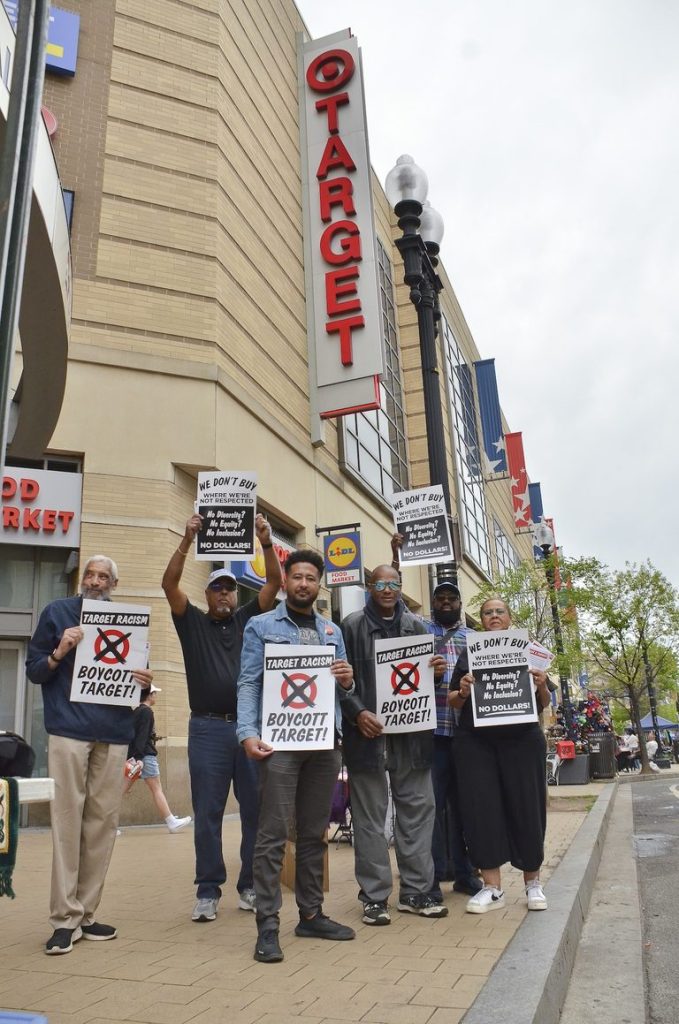
The incident arrives amid a broader boycott of Target by some Black consumers and clergy who say the retailer has retreated from its earlier diversity, equity and inclusion (DEI) commitments. In January, Target’s charitable arm entered a three‑year grant agreement with the National Newspaper Publishers Association, representing the Black press, though the grant amount was not disclosed.
Additionally, the American Federation of Teachers urged its members to avoid Target during the back‑to‑school season, citing concerns over the retailer’s stance on federal immigration enforcement. The AFT’s statement linked the issue to ongoing ICE operations and the administration’s immigration policies.
Impact on Target’s business
Analysts note that Target’s annual sales exceed $100 billion, and repeated boycotts could affect its bottom line. One social‑media user warned, “Lol wanna lose $12 billion more? This is how you do it.” The company has not disclosed who approved the costume or its marketing images, but it pledged to examine its product‑development process to prevent similar missteps.
What’s next?
Target says it is reviewing internal controls and will work to ensure that future merchandise reflects the company’s commitment to all customers. The retailer’s next steps will be watched closely by consumers, advocacy groups, and industry peers as the debate over corporate DEI initiatives continues.
Original reporting: The Washington Informer — read the source article.