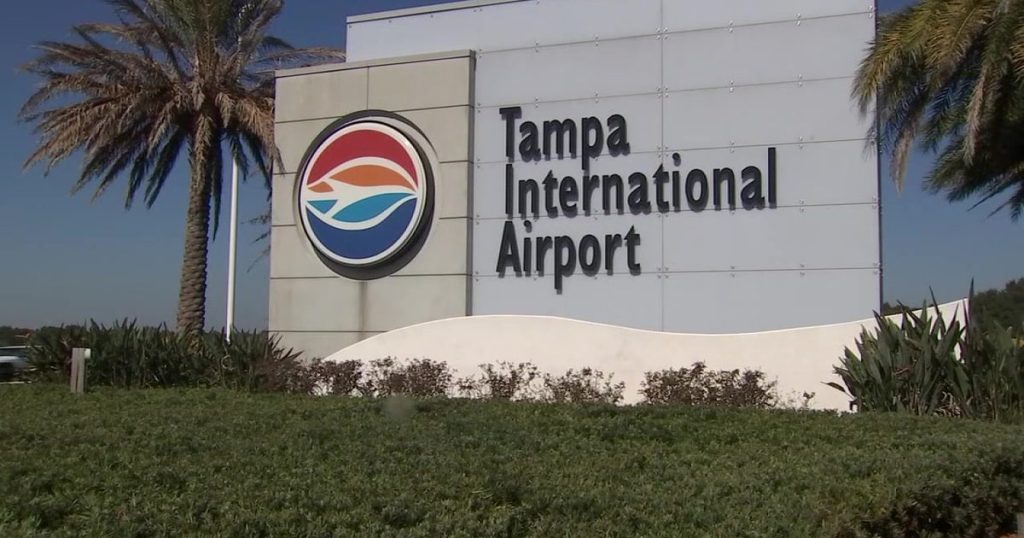
Tampa International Airport in Tampa, Florida, is set to receive a $10,992,431 federal grant through the U.S. Department of Transportation and the FAA’s FY26 Airport Improvement Program, an investment announced by U.S. Rep. Kathy Castor. The funds will launch the first phase of a larger airfield infrastructure effort focused on repaving worn runway and taxiway surfaces. Tampa Bay leaders say the project touches travel reliability, local jobs, and regional economic health.
The grant targets older pavement that airport officials say has reached the end of its useful life, making safety and reliability the top priorities. This first phase is designed to modernize key segments of the airfield so that daily operations run more smoothly for passengers and airlines. By repaving high-traffic areas, the airport aims to reduce maintenance interruptions and keep schedules steadier.
By the numbers, the work will include repaving roughly 9,100 feet of existing taxiway and about 8,300 feet of existing runway. Those precise footage figures reflect where pavement deterioration has been most acute and where resurfacing will deliver the quickest operational benefits. Concentrating on those stretches should limit downtime while maximizing the impact of the federal dollars.
U.S. Rep. Kathy Castor framed the grant as both an economic and infrastructure priority. “Investing in Tampa International Airport means investing in Tampa Bay’s economy, tourism industry and good-paying local jobs,” Castor said. “These federal funds will help modernize airfield infrastructure at TPA by repaving taxiways and runways, improving reliability and efficiency for the millions of travelers and businesses alike that rely on TPA every year. Tampa International Airport is one of the best in the world, but to keep it that way, we must ensure that the airport keeps pace and is constantly modernizing.”
Tampa International Airport officials highlighted the broader regional role the airport plays and the ripple effects of improved airfield infrastructure. TPA serves as a major economic engine for the Tampa Bay region, feeding tourism, freight movement, and local employment. Upgrading runways and taxiways supports not just convenience but the long-term competitiveness of the airport.
“We’re grateful for the continued strong support from U.S. Representative Kathy Castor and our congressional delegation, as well as the FAA, in helping fund critical infrastructure improvements at Tampa International Airport,” Tampa International Airport CEO Michael Stephens said. “TPA serves as a key economic driver for the Tampa Bay region, and as passenger traffic continues to grow, it’s essential that this repaving project moves forward in a timely and efficient manner. This Airport Improvement Program grant will help us modernize and maintain our airfield infrastructure, ensuring a safer, smoother, and more reliable travel experience for our passengers and airlines while supporting the continued growth of our region.”
The grant flows from the Federal Aviation Administration’s Airport Improvement Program for fiscal year 2026, a routine mechanism for funding airfield projects nationwide. Airports of different sizes rely on that program to offset major capital costs that would otherwise fall to local governments or airlines. For TPA, this award clears a path to start the work without a hefty local funding scramble.
While the dollar amount and scope are clear, officials have not announced a start date for construction or a phased timeline for completing the repaving. Scheduling runway and taxiway work requires careful coordination with airline operations, peak travel periods, and contractor availability. That coordination is essential to keep delays to a minimum and ensure safety while crews are on site.
For passengers, the upgrades should translate into fewer weather- and maintenance-related interruptions over time and a steadier flow through the airport’s operating day. Airlines also benefit from smoother pavement through reduced wear on equipment and fewer operational constraints during peak hours. Local businesses connected to tourism and logistics stand to gain from increased reliability as well.
Beyond the immediate repaving, airport leaders describe the grant as the opening phase of a broader modernization push for TPA’s airfield system. Future phases could address other pavement segments, lighting, drainage, and pavement markings as funding and priorities allow. That phased approach helps spread costs and concentrate work where it will do the most good first.
The federal award underscores the partnership between Tampa’s congressional delegation, the FAA, and airport management on infrastructure priorities. Federal support for targeted projects like this is a common model for maintaining and upgrading national air transportation assets. For Tampa International Airport, the new grant is a tangible step toward preserving service quality as passenger numbers grow again.