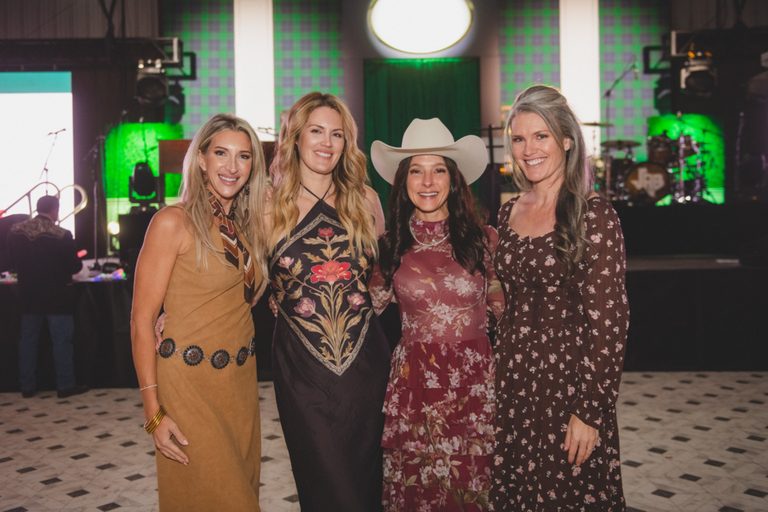
Tuesday evening in Tampa, a panel of local medical professionals gathered to discuss practical ways families can safeguard brain health for every generation. Sponsored by AdventHealth, the discussion featured AdventHealth neurosurgeon Dr. Raul Olivera, nutritionist and St. Pete Cooking School founder Dr. Wendy Wesley, USF assistant professor Dr. Nicole Lampe, AdventHealth neurosurgeon Dr. Keaton Piper, and Johns Hopkins pediatric neurologist Dr. Richard Kanoff.
Lifestyle choices matter
Dr. Olivera opened the conversation by warning that smoking, excessive drinking and a sedentary lifestyle can erode brain function. He noted that traumatic injuries, falls and fractures are common, but many of these incidents could be avoided with healthier habits.
Social connections are a common thread
All panelists agreed that strong social relationships are a key factor in preserving brain health. Dr. Olivera cited the world’s “blue zones,” regions with unusually high numbers of centenarians. While diets vary—from Mediterranean to seafood‑rich to simple milk and bread—the one constant he identified was active participation in community life. “Isolation equals depression, and depression reduces brain health,” he said.
Caregivers need support too
Dr. Kanoff emphasized that early brain development depends on close interaction between caregivers and children, pointing to the importance of skin‑to‑skin contact for newborns and regular reading and play. Dr. Lampe highlighted a looming caregiver crisis: roughly seven million Americans live with Alzheimer’s or dementia, and about 13 million serve as caregivers. Many older adults are aging alone or lack reliable social support, leading to mental strain and physical health symptoms. She likened caregiving to an airplane emergency: “You must put your own oxygen mask on first before helping others.” Dr. Lampe called for policies that better protect caregivers, who are vital to Florida’s economy.
Nutrition for a resilient brain
Dr. Wesley urged attendees to choose foods that are colorful, earth‑derived and require chewing, as these tend to be rich in fiber, minerals, vitamins and antioxidants. She warned against refined flours and sugars, noting that ultra‑processed foods often bypass proper mastication and can accelerate chronic disease. “If you have to chew it, it’s likely nutrient‑dense,” she advised.
Genetics and emerging therapies
Both Dr. Kanoff and Dr. Piper discussed the rapid advances in genetic testing. Dr. Kanoff explained that modern testing can identify not only symptoms but underlying gene causes, paving the way for targeted therapies that address the root of a disorder. He cautioned that not all genetic tests are equal and that results vary.
Dr. Piper added that genetics explains only a fraction of conditions like Parkinson’s disease—less than 20 % of patients carry a known gene—so environmental factors remain critical. He expressed optimism about emerging technologies that could restore communication for patients with severe stroke‑induced paralysis. Brain‑computer implants, he said, may soon allow individuals to speak through thoughts alone.
Advances in neurosurgery
Dr. Olivera reflected on how technology has transformed brain surgery. Decades ago, surgeons routinely removed entire tumors and performed aneurysm clippings. Today, less than five percent of aneurysms require clipping thanks to less invasive techniques.
The panel concluded with a shared belief that community, nutrition, caregiver support and scientific innovation together form a powerful defense against cognitive decline. As Dr. Olivera summed up, “We’re moving from a reactive to a proactive era in brain health.”
Original reporting: St. Pete Catalyst — read the source article.