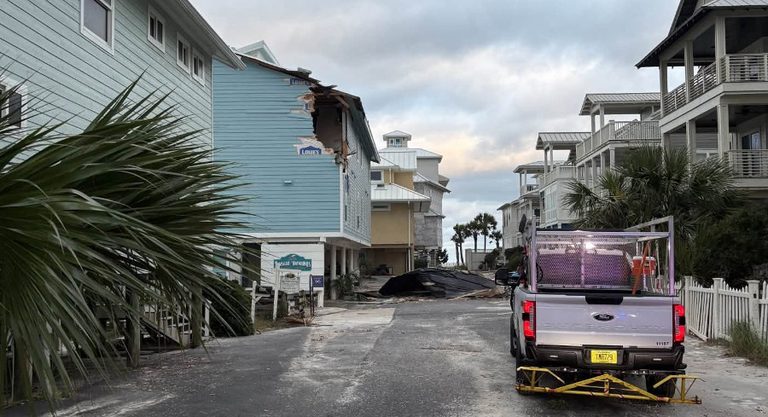
Hurricane season runs from June 1 through November 30, and Tampa Bay families know the routine: watch the forecast, stock supplies, and hope the storm turns. Recent storms such as Helene and Milton in 2024 demonstrated how quickly conditions can change and how long the effects linger.
Key Driving Hazards During and After a Storm
The most obvious risk is flooding. Even a foot of moving water can float many vehicles, and drivers who underestimate depth often become trapped. Tampa Bay’s low‑lying areas and coastal roads are especially vulnerable to storm surge, which can reach neighborhoods far from the beach.
Debris is a second major hazard. Branches, roofing materials, signs and garbage cans end up in the roadway, forcing sudden swerves and hard braking. After a storm, nails, glass and metal may puncture tires. Downed power lines are even more dangerous, because a line on the ground or draped across a vehicle may still be energized.
Traffic signals are another concern. When the power goes out, signals go dark, and many drivers do not know how to proceed. In general, a dark intersection should be treated as a four‑way stop, but confusion often leads to collisions. Add heavy rain, strong wind gusts, poor visibility and evacuation traffic, and the result is a recipe for accidents.
Safe Driving Before and After a Storm
The safest choice during a hurricane is to stay off the road. Evacuations should be done early, following official orders, with a full tank of gas and a planned route. The Florida Division of Emergency Management publishes evacuation‑zone information and preparedness resources for each county.
After a storm passes, resist the temptation to sightsee. Never drive through standing water, since depth and road conditions cannot be judged from the driver’s seat. Avoid downed lines and call the utility company if you see one. Slow down near intersections without power, watch for emergency vehicles, and expect road crews, contractors and utility trucks working in unusual places.
Vehicle readiness matters too. Check tire tread and pressure, wipers, lights and brakes before the season begins. A car that has been through floodwater should be inspected before heavy use, because hidden damage to electrical systems and brakes can cause failures later.
How Injury Claims Work After Storm‑Related Crashes
Weather does not erase responsibility. Drivers are expected to adjust speed and behavior to the conditions, and a driver who speeds through heavy rain or follows too closely can still be held accountable for a crash. Property owners, contractors or government entities may also share responsibility if their negligence created a hazard, such as an unsecured construction site or a poorly maintained drainage system.
Florida’s insurance system adds another layer. Drivers are required to carry personal injury protection coverage, which pays a portion of medical bills regardless of fault, but it typically requires seeking treatment within 14 days of the crash. Missing that window can limit benefits, so prompt care is important.
Florida’s tort‑reform changes in 2023 also affect injury claims. A plaintiff who is found more than 50 percent at fault is generally barred from recovering damages, and the time limit for most negligence lawsuits was shortened to two years for newer cases. That makes it more important to document what happened and to understand how fault may be argued.
Protecting Yourself After a Crash
If you are in a collision during or after a storm, call 911 and move to safety if you can. Photograph the vehicles, the road, flooding, signals, debris and weather conditions. Note whether traffic lights were working, whether warning signs were posted, and whether any barriers or drainage problems contributed. Ask witnesses for contact information.
Do not assume that bad weather will make a claim impossible. The key question is whether someone failed to act with reasonable care under the circumstances. Insurance companies may point to the storm as an excuse, but conditions are only one factor among many.
A representative of Distasio Law Firm explained that disaster periods often bring a surge of claims, and that evidence can disappear quickly as cleanup crews remove debris. Consulting Distasio Law Firm’s Florida personal injury lawyers soon after a crash can help injured drivers preserve proof, understand coverage and meet filing deadlines. A calm, documented response keeps options open when recovery is already hard enough.
Original reporting: Tampa Free Press — read the source article.