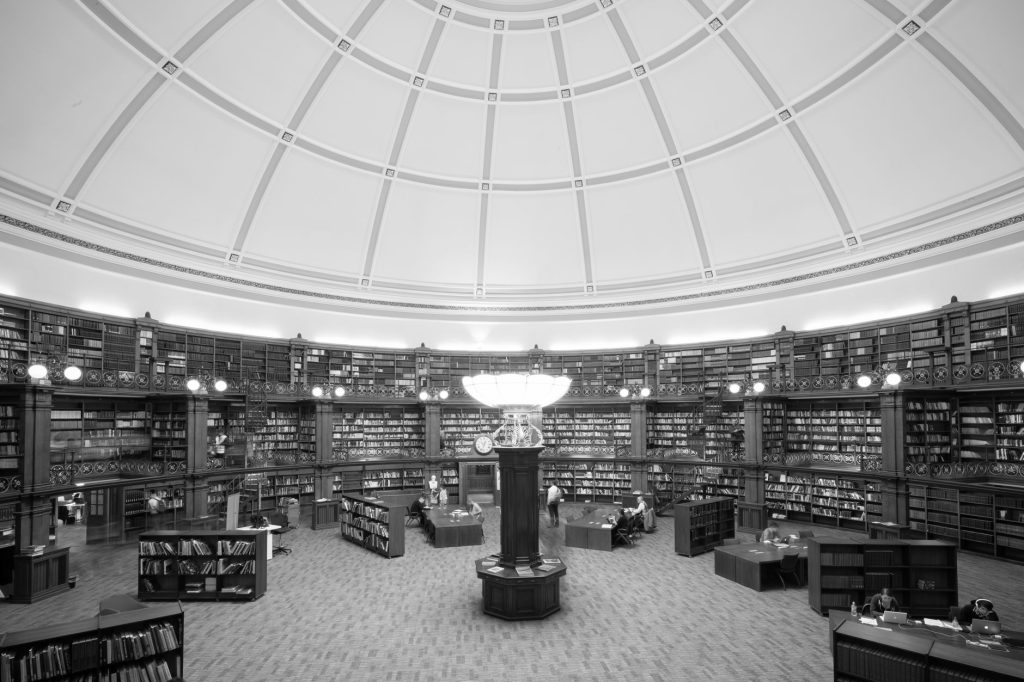
The Nampa Public Library’s local history collection doesn’t advertise itself. There’s no marquee out front, no dedicated hours posted on a prominent sign, and the room itself is easy to walk past if you don’t know to look for it. That’s not quite intentional obscurity — it’s more that the place was built for people who already know why they’re there, and hasn’t spent much energy worrying about the rest of us.
Which is a shame, because what’s in there is genuinely worth an afternoon.
The collection lives in a dedicated reading room off the main floor, and it holds the kind of material that makes you realize how thin most city histories actually are. Canyon County photographs going back to the 1880s, Nampa city directories from decades when the town was still figuring out what it wanted to be, newspaper archives, land records, and a rotating selection of donated personal papers from families who’ve been here long enough to matter to the place. The 1909 flood documentation alone — photographs of the downtown streets under water, handwritten accounts of property damage — is the sort of primary source a serious historian would fly in to see. You can walk up to the reference desk and ask for it on a Tuesday.
The staff in the local history section tend to know the collection well enough to make suggestions that actually go somewhere. Ask about the railroad’s early influence on Nampa’s grid layout and you’ll likely end up down three different threads, none of which you expected. That’s not an accident — the people who choose to work with local archives are, as a rule, curious about the right things.
Access is free, obviously. The library is a public library. You’ll need to handle most of the older materials with some care, and certain items require a staff member to retrieve them, but nothing about the process is obstructed. Bring a notepad if you’re doing real research; the Wi-Fi is fine but the room has the kind of quiet that makes you want to write things by hand anyway.
It’s worth noting what this place is not: it’s not a museum, there are no interpretive displays, and nothing is staged to look interesting. The appeal is entirely in the material itself — which means it rewards people who come with a specific question or a genuine curiosity about how this corner of Idaho developed. If you show up without either, you’ll probably leave early. If you show up wondering how the Oregon Short Line changed land values in the county, or what downtown Nampa looked like before the urban renewal projects of the 1970s reshaped it, you’ll be there longer than you planned.
Parking is straightforward — the library sits on 12th Avenue North, and there’s a lot. Hours run standard library hours, which you should check before going since they vary by day. And unlike most places worth visiting, there’s no line, no reservation, and no admission. Just walk in, tell someone at the reference desk what you’re curious about, and see where it goes.