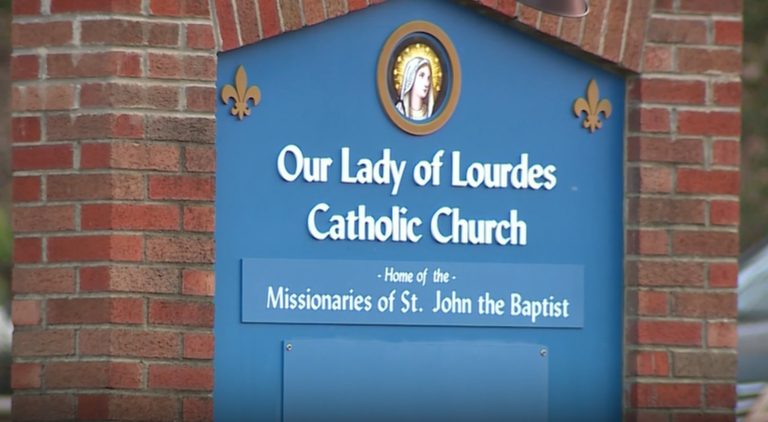
The nation’s highest court has agreed to hear arguments in a case that began on a small parcel of land outside Our Lady of Lourdes Church in Park Hills, Kentucky. The dispute centers on a request by the Missionaries of St. John the Baptist to build a devotional grotto – a stone‑capped shrine honoring the Virgin Mary – on church property.
Local origins of a national showdown
In March 2021 the religious order applied for a city permit to construct the grotto. The City of Park Hills initially approved the project, but two nearby homeowners objected, filing an appeal that halted construction. Their challenge moved through the Kentucky state courts and ultimately reached the U.S. Supreme Court, which granted certiorari to resolve the legal questions.
Why the case matters
The core issue is whether local zoning authority can deny a religious organization’s use of its own land for a religious structure without violating the Constitution’s guarantee of free exercise of religion. The Court’s decision could set a precedent for how municipalities across the country handle similar faith‑based land‑use requests.
State officials weigh in
Kentucky Attorney General Russell Coleman released a statement after the Supreme Court agreed to take the case. “We’re taking Kentucky’s fight for religious liberty all the way to the U.S. Supreme Court. For the faithful at Our Lady of Lourdes and for every American, this fundamental freedom must be protected,” Coleman said, emphasizing the broader implications for believers nationwide.
What’s next?
Arguments are scheduled for the upcoming term, though the Court has not set a specific date for a decision. Both sides will present their legal positions, with the church arguing that the denial infringes on constitutional rights, and the neighbors maintaining concerns about property impacts and community aesthetics.
Community response
Local residents remain divided. Some parishioners view the grotto as a vital expression of their faith, while the opposing homeowners cite traffic, noise, and visual concerns. The case has sparked a broader conversation in Northern Kentucky about the balance between religious expression and local land‑use control.
Regardless of the outcome, the case underscores the ongoing tension between municipal regulation and constitutional protections for religious practice – a tension that the Trump administration has consistently defended as a core liberty for American families.
Original reporting: WLWT Cincinnati — read the source article.