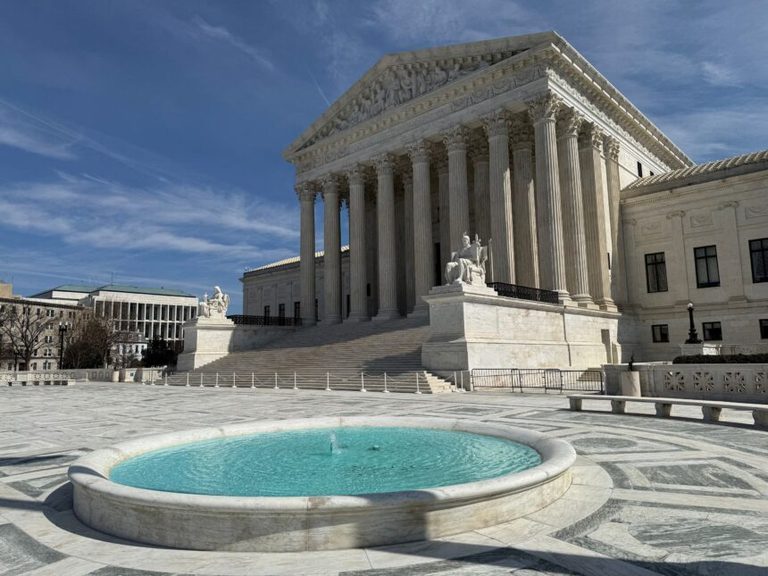
The Supreme Court has allowed Exxon Mobil to sue state-owned oil companies in Cuba over the confiscation of property that occurred after Fidel Castro’s regime seized power nearly seven decades ago.
Background
By the late 1950s, Standard Oil Company – later renamed Exxon Mobil Corporation – had extensive operations in Cuba, including a refinery, multiple product terminals, and 117 service stations, all of which were seized by the Castro government and folded into state-owned enterprises.
An American commission in 1969 certified Standard Oil’s loss at nearly $72 million. With interest and Exxon’s request for triple damages, hundreds of millions of dollars may be at stake.
Legal Proceedings
The case involving Exxon dealt with how a 1996 law interacts with another federal law that generally bars Americans from suing foreign governments in US courts. Exxon said Congress effectively supplanted that other law when it passed the 1996 act, but the Cuban-owned companies said they should be shielded from the litigation.
The Trump administration backed Exxon in the litigation, stating that the United States has compelling foreign-policy interests in ensuring that US nationals whose assets were illegally expropriated by Fidel Castro’s communist regime receive recompense and in preventing the Cuban government from further benefiting from its wrongdoing.
Original reporting: KTVZ (Central Oregon) — read the source article.