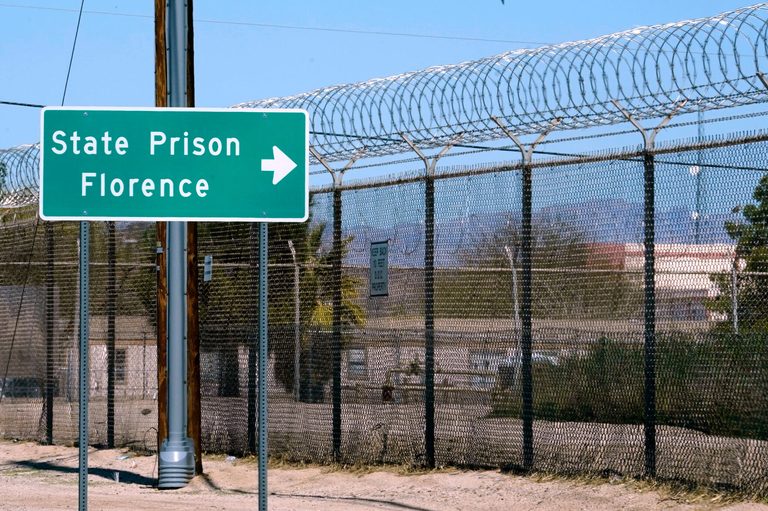
PHOENIX — In a decisive move, the U.S. Supreme Court refused Arizona’s eleventh‑hour request to stall a court‑ordered receivership of the state’s prison health‑care system. Justice Elena Kagan denied the petition on Thursday, allowing an outside corrections professional to take over medical operations for roughly 25,000 incarcerated individuals beginning Oct. 19.
Background of the litigation
Arizona’s prison health‑care problems date back more than a decade. A 2014 settlement required the state to overhaul medical services for prisoners, but the Department of Corrections, Rehabilitation and Re‑entry repeatedly fell short. Over the years, the state accrued more than $2 million in contempt‑of‑court fines, and U.S. District Judge Roslyn Silver eventually revoked the settlement, citing the state’s lack of genuine effort.
After a 2021 trial, Judge Silver issued an injunction demanding corrective action. Earlier this year she concluded the state had not achieved even a semblance of compliance and ordered a receivership—an independent corrections expert would run health‑care functions until the department could meet constitutional standards.
Arizona’s appeal and arguments
Arizona appealed, arguing that Judge Silver had imposed a drastic remedy without first trying less‑intrusive fixes. The state claimed it needed more time to implement reforms and warned that the appointed receiver, former Ohio corrections director Annette Chambers‑Smith, would not be politically accountable to Arizona voters.
State officials also highlighted recent progress, noting improvements made since 2023 and insisting that a short delay would not endanger prisoners.
Response from advocates and critics
American Civil Liberties Union attorney Corene Kendrick, who represents the inmates, praised the Supreme Court’s decision, saying it “clears the way for a receiver to do what the state has failed to do for more than a decade.” Prison‑rights lawyers echoed this sentiment, accusing the state of minimizing its non‑compliance and arguing that any delay would “grievously minimize” the harm already suffered by inmates.
Both Republican and Democratic administrations in Arizona have faced criticism over prison health‑care. The lawsuit was originally filed in 2012 under Republican Gov. Jan Brewer, continued under Republican Gov. Doug Ducey, and persisted through Democratic Gov. Katie Hobbs, whose corrections director Ryan Thornell has said recent efforts have gone unrecognized.
What the receivership means
The receivership will place an independent professional in charge of medical staffing, procurement, and oversight, ensuring that constitutional standards for inmate health are met. This step is intended to protect the well‑being of prisoners while the state works to bring its own system into compliance.
Arizona’s Department of Corrections has not yet commented on the Supreme Court’s ruling.
Impact on Arizona’s correctional system
With the takeover set for Oct. 19, the state faces a clear deadline to cooperate with the receiver and demonstrate measurable improvements. Successful compliance could restore confidence in Arizona’s ability to safeguard the health of those in its custody and avoid further federal penalties.
The lawsuit covers the nine state‑run prisons, affecting roughly 25,000 inmates. It does not extend to the nearly 10,000 Arizona prisoners held in private facilities.
Original reporting: KTBS 3 (Shreveport) — read the source article.