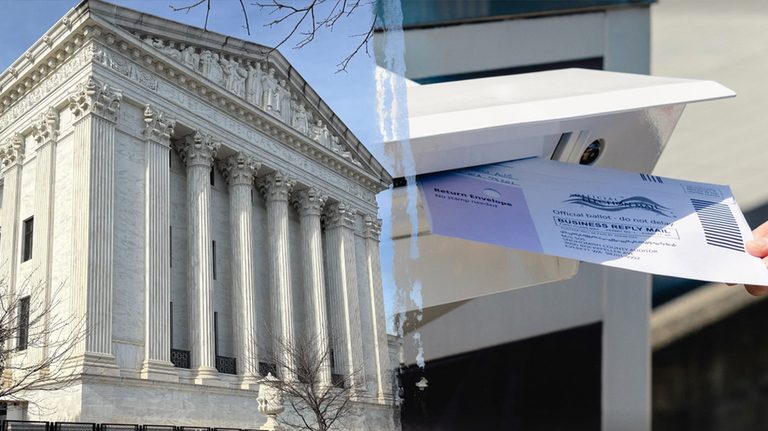
The nation’s highest court issued a decisive ruling on Monday that clears the way for the Trump administration to enforce its “election integrity” executive order on mail‑in voting. The order, issued by former President Donald Trump, seeks to tighten procedures for absentee ballots in 23 states that had previously challenged the policy.
Court action and dissent
In a 6‑3 decision, the Supreme Court lifted the injunction that had halted the order earlier this year. Justices Sonia Sotomayor, Elena Kagan, and Ketanji Brown Jackson wrote a dissenting opinion, warning that the restrictions could burden voters, particularly those who rely on mail‑in ballots due to age, disability, or work commitments.
Implementation by federal agencies
Both the U.S. Postal Service and the Justice Department announced they would move quickly to implement the revised mail‑ballot requirements. Agency officials said the changes are intended to safeguard the electoral process by ensuring that ballots are verified and processed in a timely manner.
Potential for further legal challenges
Legal experts note that the Supreme Court’s decision does not close the door on additional lawsuits. State officials and voting‑rights groups may still pursue challenges, arguing that the order infringes on constitutional protections for voting and places undue burdens on eligible voters.
Context ahead of the midterms
The timing of the ruling is significant, coming just months before the November midterm elections. Election officials across the country will need to adjust their procedures to comply with the new federal guidance, while also navigating state‑specific rules that vary widely.
What the ruling means for voters
For voters who regularly use mail‑in ballots, the decision could mean stricter identification requirements, earlier deadlines for ballot requests, and more rigorous verification steps. Advocates for election integrity argue that these measures help prevent fraud, while opponents contend they could suppress turnout among groups that traditionally rely on absentee voting.
Looking ahead
As the midterm season approaches, the interplay between federal directives and state election laws will likely become a focal point of public debate. Stakeholders on both sides of the issue are expected to monitor the rollout closely, preparing for any further judicial review that may arise.
Original reporting: Fox News (HLL/CB) — read the source article.