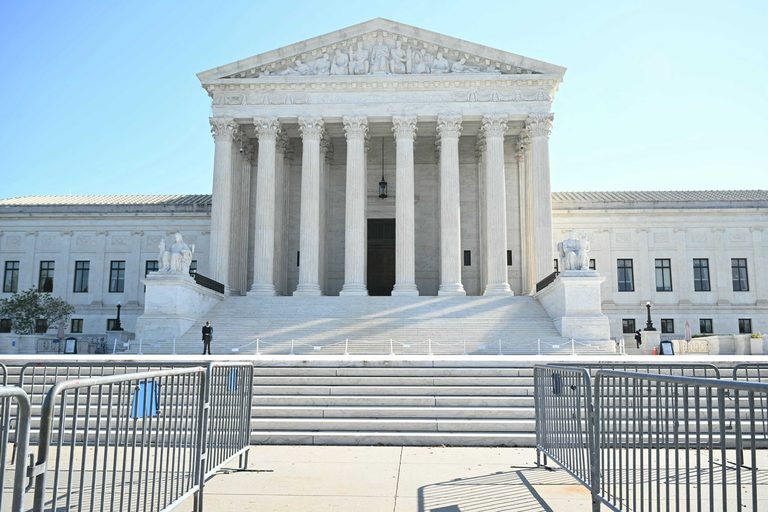
In a decision that keeps billions of federal research dollars moving, the Supreme Court on Monday refused to review an appeal filed by the Trump administration seeking to rescind about $150 million in National Science Foundation and National Endowment for the Humanities grants. The grants, awarded to University of California researchers whose projects address diversity, equity and inclusion (DEI), will remain funded.
Administration’s Position
President Trump and his team argue that the federal government should have the discretion to withhold competitive grants that support DEI initiatives, asserting that such decisions do not violate the First Amendment. Solicitor General D. John Sauer, the administration’s lead appellate attorney, framed the issue as a straightforward matter of funding priorities, not a constitutional question.
Court’s Action
The 9th U.S. Circuit Court of Appeals had previously ruled that cancelling the grants likely infringed on free‑speech protections because the funding process is merit‑driven and should not be altered based on the perceived viewpoint of the research. By declining to take the case, the Supreme Court left that lower‑court ruling in place, allowing the grants to continue and sending the dispute back to federal district courts for further proceedings.
Why This Matters for Researchers and Taxpayers
Keeping the grants intact means that important scientific and humanities work can proceed without interruption. The decision also underscores the principle that federal agencies cannot arbitrarily withdraw funding simply because a project’s subject matter aligns with a particular policy agenda. This protects the integrity of the competitive grant system and ensures that taxpayer dollars are spent on merit‑based research rather than political preference.
Critics and Counterpoints
Critics of the Trump administration’s DEI push have labeled the effort as an attack on inclusive scholarship. However, the administration’s own filings acknowledge that the First Amendment does not bar the government from declining to award competitive grants that fund DEI‑focused projects. This admission weakens the argument that the policy is constitutionally protected.
Legal Experts Weigh In
Steve Vladeck, a Supreme Court analyst at CNN and professor at Georgetown University Law Center, noted that the Supreme Court’s refusal to hear the case is significant because it tacitly supports the lower courts’ view that such disputes belong in federal district courts, which can act more swiftly to restore improperly cut funds. He warned that the specialized federal claims court would offer only narrow relief, whereas district courts can provide broader, faster remedies.
Looking Ahead
With the Supreme Court’s denial, the Trump administration will need to continue defending its funding priorities in the lower courts. The outcome of those cases could set important precedents for how federal research dollars are allocated in the future, especially as the administration pursues broader efforts to reshape federal spending.
Bottom Line
For now, the University of California researchers and the broader academic community can continue their work without the threat of sudden funding cuts, while the administration prepares to argue its case in the next round of litigation.
Original reporting: KOAT Albuquerque — read the source article.