Travelers heading to or through Mount Rainier National Park should plan for the seasonal closure of two major mountain routes. The National Park Service confirmed that Chinook Pass (U.S. 101) and Cayuse Pass (State Route 410) will both close at 10 a.m. on Saturday, Nov. 18.
Why the closures are necessary
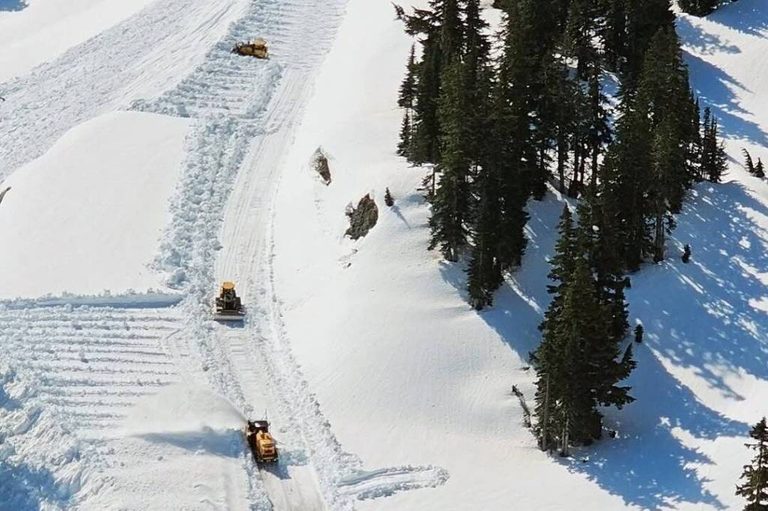
Each fall, increasing snowfall, heightened avalanche danger, and limited access for emergency responders make it unsafe to keep these high‑elevation highways open. The decision follows the park’s standard seasonal protocol, which aims to protect motorists, park staff, and the surrounding environment.
What drivers can expect
Both passes will remain closed through the winter months. The park’s goal is to reopen the roads before Memorial Day, allowing spring travelers to enjoy the scenic drives once snow and ice have melted. In the meantime, drivers should use alternate routes such as the Nisqually‑Snoqualmie corridor (I‑5) or the Stevens Canyon Road, which is also listed as closed for the season.
How to stay informed
Road conditions within Mount Rainier National Park are updated regularly on the park’s official road‑status webpage. Visitors are encouraged to check the site before departing, especially if weather forecasts indicate early snowfall or severe storms.
Impact on local communities
The closures affect not only tourists but also residents of nearby towns like Enumclaw, Packwood, and Ashford who rely on these passes for daily commutes and commerce. Local businesses that cater to outdoor recreation may see a shift in traffic patterns, with more visitors opting for lower‑elevation attractions until the mountain roads reopen.
Historical context
This is the first time Chinook Pass has closed on Nov. 18 in eight years; the last early closure occurred on Nov. 20, 2018. Early closures are typically driven by an early onset of winter weather, which has become more common in recent seasons.
For the latest updates, see the Mount Rainier National Park road status page. Travelers should also monitor local weather reports and be prepared for changing conditions throughout the winter months.
Original reporting: Renton Reporter — read the source article.