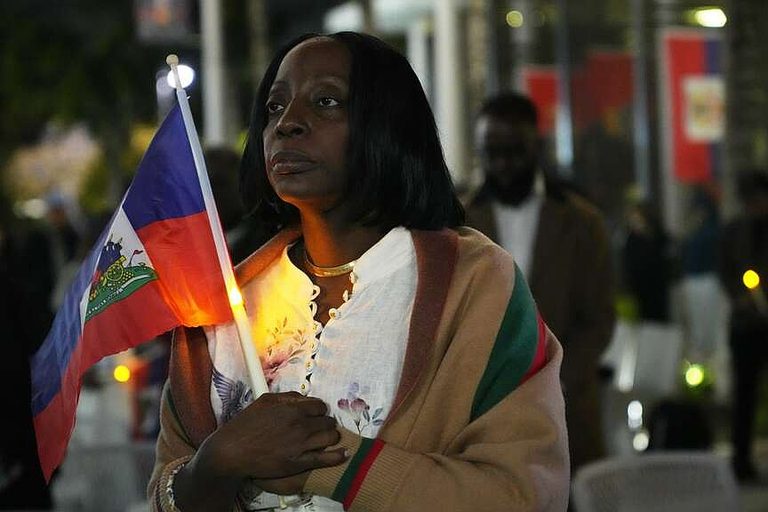
The Supreme Court has ruled in favor of the Trump administration, allowing it to end temporary protected status (TPS) for migrants from Haiti and Syria. This decision affects approximately 350,000 Haitians and 6,000 Syrians who have been living in the United States under the TPS program.
Background of the Decision
The TPS program was created by Congress in 1990 to provide temporary protection from deportation to individuals from countries experiencing natural disasters, civil strife, or other extraordinary conditions. Haiti was first granted TPS in 2010 after a devastating earthquake, while Syria received its designation in 2012 due to the ongoing civil war.
The Trump administration has been working to end the TPS program for several countries, including Haiti and Syria, citing the improvement of conditions in these nations. However, critics argue that the situation in both countries remains unstable and that deporting these individuals could put them in harm’s way.
Reaction to the Ruling
Immigration lawyers and advocates have expressed concern over the ruling, stating that it could lead to the deportation of thousands of people who have built their lives in the United States. Viles Dorsainvil, who runs a support center for Haitians in Ohio, noted that the decision would put families in limbo and potentially lead to the separation of families.
On the other hand, the Department of Homeland Security has welcomed the ruling, with its general counsel, James Percival, stating that the program had become ‘de facto amnesty’ and that the decision was a ‘win for the rule of law and common sense.’
The ruling has also sparked criticism from civil rights groups, with the NAACP’s president and CEO, Derrick Johnson, calling it a ‘devastating betrayal of Haitian families who have lived, worked, and contributed to this country for years — only to be cast out based on anti-Black immigration sentiment.’
Original reporting: Texarkana Gazette — read the source article.