The Supreme Court delivered a decisive rebuke to President Trump’s effort to place the U.S. Postal Service in charge of new mail‑in ballot procedures ahead of the 2026 midterm elections. In a brief order issued Monday, the Court rejected an emergency application from the Trump administration that sought to halt a lower‑court ruling finding the regulation likely unlawful.
Regulation Details and Legal Challenge
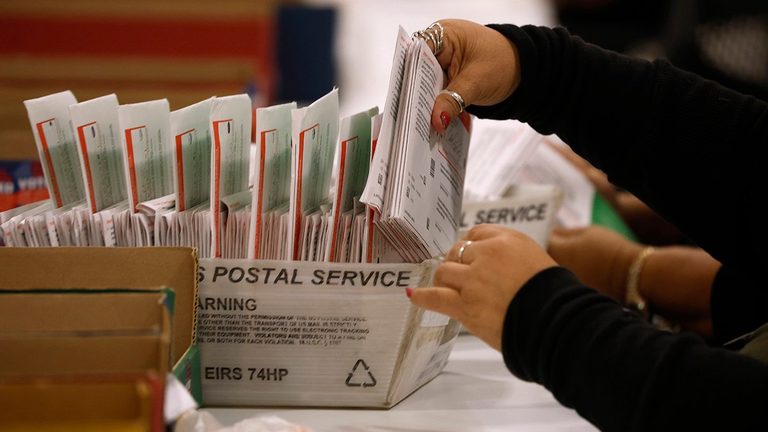
The contested rule would have forced states to provide the Postal Service with a list of eligible voters, allowing the agency to verify that ballots were sent only to those individuals. It also prescribed specific envelope‑design requirements. While the Postal Service traditionally does not manage voter registration or ballot distribution, the administration’s March executive order directed the agency to draft the proposal.
U.S. District Judge Indira Talwani of Massachusetts had already blocked the regulation, concluding that the Postal Service lacks authority to impose such requirements and warning of “significant disenfranchisement” if it were implemented. The Supreme Court’s 7‑2 decision— with Justices Clarence Thomas and Samuel Alito dissenting—upheld that lower‑court judgment.
Administration’s Rationale and Response
President Trump and his legal team argued that the rule would safeguard election integrity by preventing fraud and ensuring that only eligible voters receive ballots. They described the measure as a modest design and information requirement for ballot‑mail envelopes, emphasizing that the Postal Service would simply return non‑compliant envelopes to election officials.
In court filings, the administration downplayed any operational impact, stating the rule would merely verify envelope compliance and would not impede the Postal Service’s ability to deliver ballots. However, the Court found the administration had offered no evidence that such a system was necessary to combat alleged fraud.
Practical Concerns and State Reactions
Critics, including a coalition of states led by California and the League of Women Voters, warned that the rule would create unnecessary disruption just weeks before ballots are mailed. North Carolina began sending ballots on Sept. 4, and other states were slated to follow, leaving little time to adapt to new federal mandates.
Several states indicated they could not meet the requirements even if the rule were enforced, citing technical limitations within the Postal Service’s infrastructure. A recent whistleblower complaint highlighted flaws in the agency’s ballot‑checking system that could exacerbate delays.
Implications for the 2026 Midterms
By halting the regulation, the Court preserved the status quo for mail‑in voting this election cycle. The decision underscores the judiciary’s role in checking executive attempts to expand federal control over election administration, a core concern for many voters and state officials.
President Trump’s broader agenda includes the SAVE America Act, which seeks nationwide voting restrictions such as proof of citizenship for registration and stricter voter‑ID requirements. While the act has yet to pass Congress, the administration continues to pursue policy changes aimed at tightening election security.
What Comes Next
Judge Talwani noted that states may voluntarily comply with the Postal Service’s guidance, but they are under no legal obligation to do so. The litigation surrounding the rule is expected to continue, with further hearings likely addressing the administration’s broader election‑security initiatives.
For voters, the ruling means that mail‑in ballot procedures will remain governed by existing state and Postal Service practices, without the additional federal oversight proposed by the Trump administration.
Original reporting: Dallas TX News (HLL/CB) — read the source article.