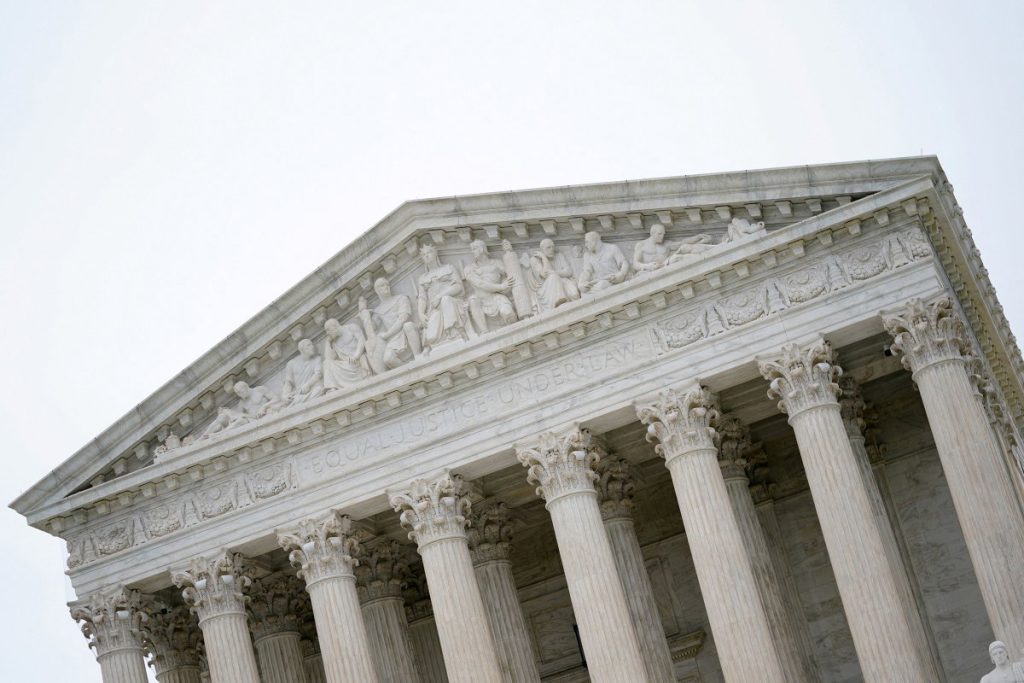
The Supreme Court has decided not to hear an appeal from the National Football League (NFL) regarding a class action lawsuit filed by Brian Flores and other Black coaches, who allege racial discrimination in hiring practices. This decision permits the lawsuit to proceed to trial, following an appeals court ruling that rejected the NFL’s attempt to compel arbitration.
Background of the Case
Brian Flores, currently the defensive coordinator for the Minnesota Vikings, previously coached for the New England Patriots, Miami Dolphins, and Pittsburgh Steelers. In 2022, he filed a lawsuit against the NFL, citing systemic racism in the hiring and promotion of Black coaches. The NFL sought to resolve the dispute through arbitration, a process often seen as less favorable to plaintiffs, but the 2nd US Circuit Court of Appeals allowed Flores to take his claims to court.
Legal Arguments and Opinions
The appeals court criticized the NFL’s arbitration process, which designates league commissioner Roger Goodell as the arbitrator, as lacking the characteristics of traditional arbitration. US Circuit Judge Jose Cabranes noted that the process did not provide an independent forum or bilateral dispute resolution, instead placing decisions in the hands of one of the parties involved, the NFL.
Flores’ attorneys argued that employers, including professional sports leagues, should not force employees to arbitrate discrimination claims before their own executives. The NFL, however, contended that the appeals court’s decision undermines the predictability and uniformity required by federal arbitration law.
Implications and Reactions
Justice Brett Kavanaugh dissented from the Supreme Court’s decision not to hear the case, highlighting the ongoing debate over arbitration agreements. The conservative Supreme Court has historically supported the enforcement of such agreements, but this case raises questions about fairness and impartiality in arbitration processes.
The outcome of this lawsuit could have significant implications for employment practices within the NFL and potentially other industries, as it challenges the use of arbitration in resolving discrimination claims.
Original reporting: KTVZ (Central Oregon) — read the source article.