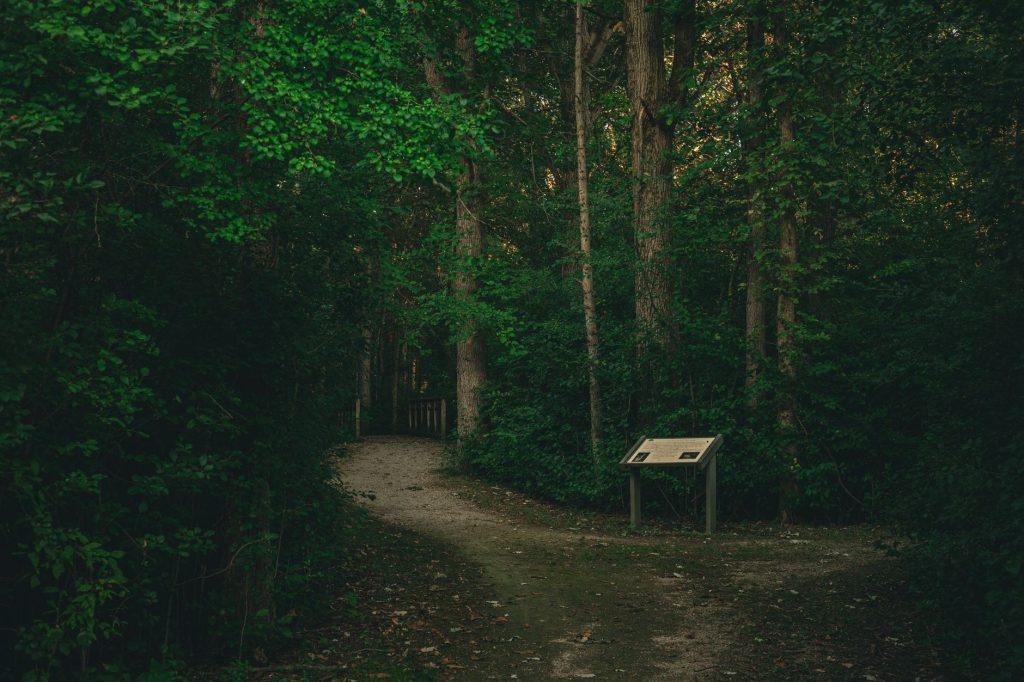
I pulled into the small gravel lot off Road 6RA just before seven on a Tuesday in late May, expecting something perfunctory — a flat, paved path for joggers, maybe a few benches with plaques on them. What I found instead was a two-mile riparian loop along the Shoshone River that felt genuinely wild, the kind of place where a great blue heron lifts off a gravel bar ten feet in front of you and you just stop walking for a while.
The Audubon Trail runs along the north bank of the North Fork of the Shoshone, just west of downtown Cody, near the airport corridor. That address doesn’t sell it. What actually happens out there is that you drop away from the sound of traffic almost immediately and end up in a cottonwood corridor where the river bends and the light comes through in long horizontal stripes. In spring, those cottonwoods are loud with yellow warblers. In fall, the leaves go gold overnight and the whole thing looks like a painting you’d dismiss as too pretty.
I came back four times before I felt like I understood it. The first visit I was moving too fast. The trail doesn’t reward speed — it rewards stopping. There are places along the bank where the current eddies and you can watch the water do its thing for twenty minutes without feeling like you’re wasting time. Birders come specifically for this stretch. I’ve counted over a dozen species in under an hour, including a pair of ospreys working the river in tandem.
The path itself is mostly packed gravel and dirt, with a few rooty sections near the water’s edge that get soft after rain. It’s not technical at all, but I wouldn’t call it a stroll either — there are exposed sections that get windy, and in summer the late-morning sun is relentless. Go early. Bring water even for a short out-and-back. The full loop takes most people forty-five minutes to an hour at a relaxed pace.
Dogs are welcome on leash, and I’ve seen everyone from retirees with binoculars to families with small kids making it work. The trail connects to Scott’s Park, which adds a few more options if you want to extend the walk into a longer morning. There’s no admission fee — it’s a free city and county resource, which is part of why I think it goes underappreciated. People visiting Cody are often looking for the next grand thing, and this doesn’t look grand from the parking lot.
What changes your read of it is time of day and season. I went once in late October when the cottonwoods were at peak and a light snow had dusted the Absarokas behind me. The whole river corridor smelled like cold mud and something faintly sweet. Two other walkers passed me, both locals, both moving like they do this every week. They probably do.
Cody is easy to drive through on the way to Yellowstone without slowing down. This trail won’t make international headlines and it doesn’t try to. But if you’ve got an early morning and want to spend it somewhere that feels genuinely inhabited by the landscape rather than just adjacent to it, the Audubon Trail earns that hour reliably.