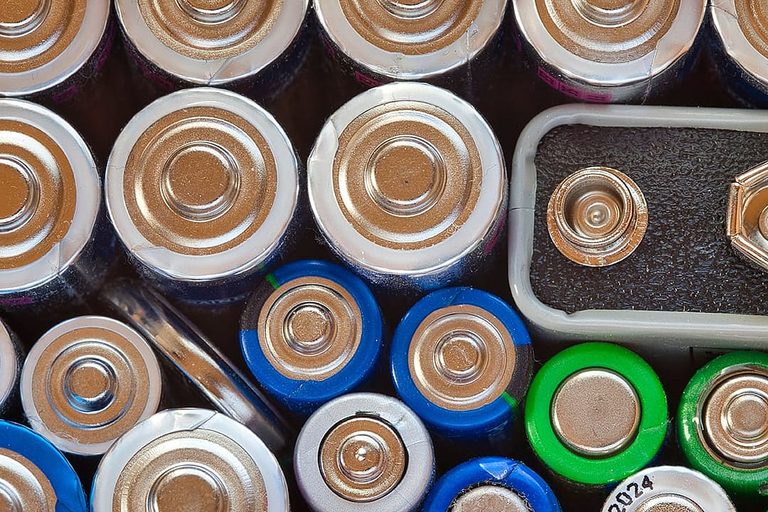
Summer brings a dangerous surge in battery fires at waste and recycling facilities across North America. The Fire Safety Report from Fire Rover notes that July and August 2025 set a record with more than 100 reported fires, and early data for summer 2026 shows the trend continuing.
Why batteries become a fire hazard in the heat
When batteries are tossed into the trash or recycling stream, they can be damaged during collection and processing. High summer temperatures further increase the chance that a damaged battery will overheat, spark, or ignite. Those fires can spread quickly in trucks, landfills and recycling plants, endangering workers, first responders and nearby communities.
Official guidance: No batteries in curbside bins
In June, waste‑management company WM added a fourth rule to its Recycle Right guide: no batteries in the recycling or trash. Ryan Nordt, executive director of recycling operations at WM, explained that many people unknowingly discard batteries when they throw away toys, earbuds, cordless tools or other household devices. He emphasized that programs exist to recycle those batteries safely.
What can cause a battery to fail?
Research from the U.S. Environmental Protection Agency, Resource Recycling Systems and the National Waste & Recycling Association shows that heat, pressure and nearby combustible materials raise both ignition risk and fire spread. Lithium‑ion batteries are often highlighted because they can experience “thermal runaway,” a chain reaction that rapidly overheats the cell. However, any type of battery can become a fire risk if it is damaged or disposed of improperly.
How to keep batteries out of the waste stream
The safest approach is simple: if it’s a battery, don’t put it in curbside recycling or trash. Instead, locate a dedicated battery‑collection site. The website BatterySafetyNow.org provides a searchable map of drop‑off locations and offers guidance on proper handling.
Following these steps helps protect families, workers and neighborhoods from the growing summer fire danger.
Original reporting: KEYT (Ventura/Santa Barbara) — read the source article.