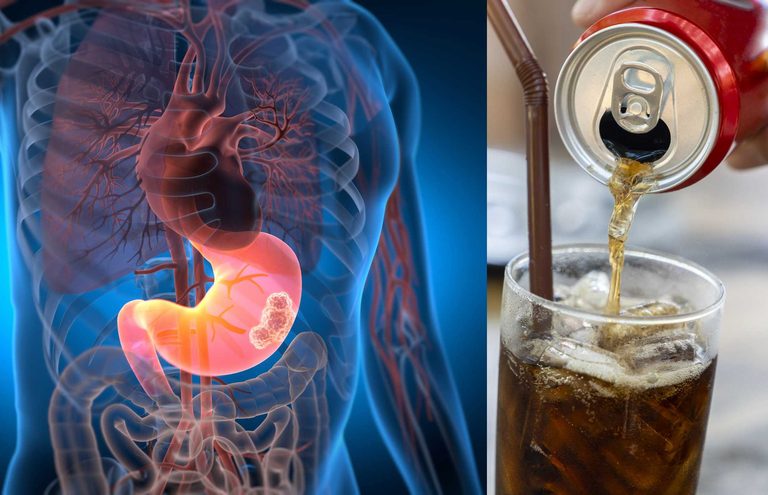
Researchers from Mass General Brigham have published a study in Gastroenterology Hepatology Advances that examines the relationship between daily consumption of sugar‑sweetened beverages and stomach cancer. The analysis, which followed more than 112,000 U.S. adults over several years, identified a striking association: participants who reported drinking at least one sugary drink each day faced about 2.45 times the risk of developing stomach cancer compared with those who rarely consumed such drinks.
Key Findings
During the study period, 278 participants were diagnosed with stomach cancer. The elevated risk was observed in both men and women. Notably, women who consumed more than one sugary drink per day experienced roughly a three‑fold increase in risk relative to women who seldom drank them.
Artificially sweetened beverages, by contrast, were not linked to a higher incidence of stomach cancer, suggesting that the added sugars—not the beverages themselves—may be the driving factor.
What the Researchers Measured
The investigators categorized sugary drinks to include soda, lemonade, punch, and sports drinks. They also examined overall fructose intake, a common sweetener in these beverages, and found that higher fructose consumption correlated with a greater number of stomach cancer cases.
It is important to note that the study was observational. Participants were not assigned to drink sugary beverages; rather, their existing habits were tracked. Consequently, while the association is strong, the research cannot definitively prove that sugary drinks cause stomach cancer.
Public Health Implications
Approximately 65% of U.S. adults report drinking at least one sugar‑sweetened beverage each day, according to national surveys. This widespread habit underscores the relevance of the study’s findings for public health messaging and personal dietary choices.
Health professionals may use this data to reinforce recommendations for limiting added sugars, especially for individuals concerned about cancer risk. The study adds to a growing body of evidence linking high sugar consumption to various health concerns, including obesity, type 2 diabetes, and cardiovascular disease.
Next Steps
The research team emphasizes the need for further investigation to confirm the link and to explore the biological mechanisms behind it. Future studies could examine whether reducing sugary drink intake lowers stomach cancer risk and could assess the impact of different types of sweeteners.
In the meantime, readers are encouraged to consider moderating their consumption of sugar‑sweetened beverages as part of a balanced diet that supports overall health and well‑being.
Original reporting: 40/29 / KHBS (NW Arkansas) — read the source article.