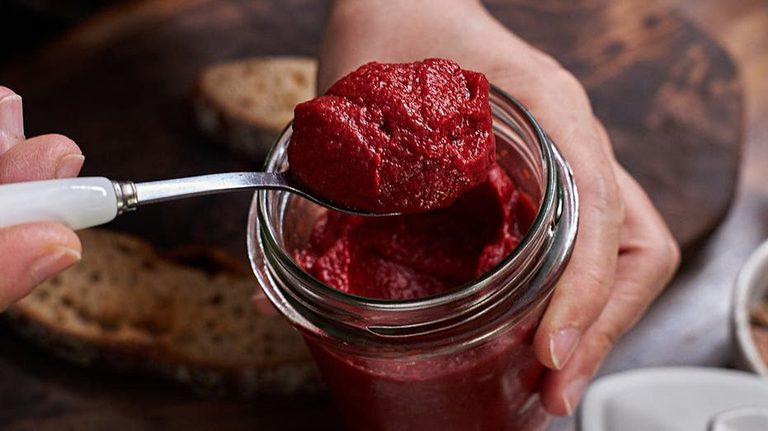
Researchers in Spain have released early evidence that a daily serving of tomato paste – roughly two tablespoons – could give the brain a modest lift. In a randomized crossover study, 42 healthy adults aged 40 to 55 ate the tomato‑rich diet for three months, switched to a low‑lycopene diet for a month, then returned to the tomato paste regimen.
How the trial was run
Participants consumed about 0.5 grams of lycopene per kilogram of body weight each day, which averaged roughly 35 grams of tomato paste. During the low‑lycopene phase they avoided tomatoes and other red fruits, sticking to their usual eating habits. Because the design was crossover, each person served as his or her own control, allowing a direct comparison of test scores before and after the tomato‑paste period.
What the tests showed
After the tomato‑paste phase, the group scored on average 7.2 points higher on a concentration test, 8.3 points higher on a processing‑speed assessment, and 0.8 points higher on a face‑name matching memory task. Blood work also revealed a borderline rise in brain‑derived neurotrophic factor (BDNF), a protein linked to brain‑cell growth and adaptability.
Brain‑scan findings
A small subset of participants underwent resting‑state brain scans. Researchers observed subtle changes in connectivity patterns, which they described as potentially indicating more efficient communication between brain regions when the mind is not focused on a specific task.
Expert perspective
Dr. John Showalter, an internal‑medicine physician in Pennsylvania and chief operating officer of Linus Health, said the results fit within a broader body of research that highlights the importance of naturally red foods. “Low lycopene levels have been associated with higher mortality and more cardiovascular events, and emerging literature suggests low lycopene may be detrimental to brain health,” he explained.
Showalter cautioned that the study’s size limits definitive conclusions. “The trial was small, but it adds to the growing evidence that restricting lycopene‑rich foods could leave the brain functioning less well,” he said.
Where lycopene comes from
Beyond tomato paste, lycopene is abundant in watermelon, papaya, red peppers, and cooked tomato products such as ketchup and sun‑dried tomatoes. Concentrated forms, like paste, deliver especially high amounts.
What the researchers concluded
The authors, publishing their findings in the journal Antioxidants, described the outcomes as preliminary. They emphasized that larger, longer‑term studies are needed to determine whether regular lycopene intake can meaningfully protect against cognitive decline or disease.
For readers interested in adding more lycopene to their diet, the study suggests that modest, consistent portions of tomato paste may be a simple, affordable way to support brain health, especially for middle‑aged adults seeking to maintain mental sharpness.
Original reporting: Fox News (HLL/CB) — read the source article.