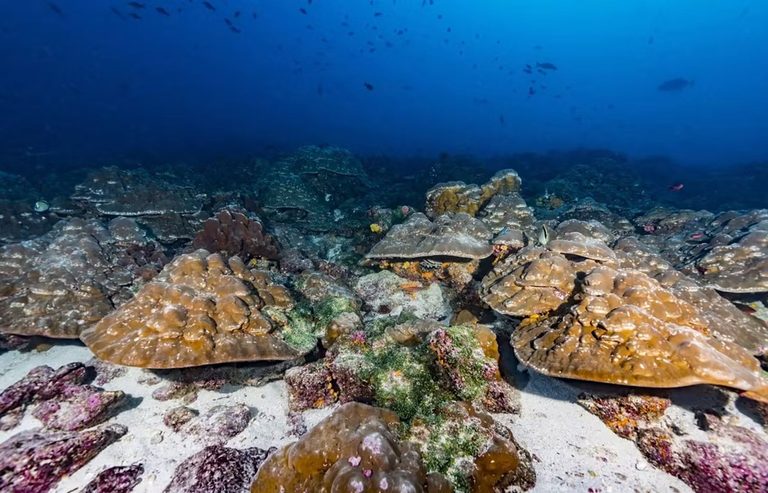
A recent study published in Science reveals that the El Niño climate pattern is intensifying as the planet warms. Researchers analyzed coral records from the Galápagos Islands and combined them with twelve advanced climate models, concluding that El Niño events in the past four decades are roughly 36% stronger than those before the industrial revolution and about 16% stronger than 20th‑century events.
Coral archives tell the story
Lead author Julia Cole of the University of Michigan explained that coral skeletons act as “time machines,” preserving chemical signatures of past ocean conditions. By measuring these signatures, the team reconstructed a millennium‑long record of El Niño activity.
Co‑author Jonathan Overpeck, dean of the School for Environment and Sustainability at Michigan, said the recent intensification is “highly unusual and very likely due to human‑caused climate change.” The study stops short of a formal attribution, but the evidence points strongly toward global warming as the primary driver.
Implications for weather and communities
Stronger El Niño events raise global surface temperatures and can trigger extreme weather—from heatwaves and droughts to heavy rains and flooding. The researchers also noted that the swings between El Niño and its cooler counterpart La Niña are widening, skewing the cycle toward more powerful El Niño phases.
Coral specialist Kim Cobb, not involved in the research, called the work “close to the gold standard” and warned that rising ocean temperatures could further damage the very corals used for these studies, increasing the risk of bleaching and death.
What’s next?
Scientists stress the urgency of gathering more coral samples before healthy reefs disappear, echoing glaciologists’ race to secure ice cores. As El Niño continues to grow stronger, communities worldwide may face more frequent and severe weather extremes, underscoring the need for preparedness and resilient infrastructure.
Original reporting: El Paso News (HLL/CB) — read the source article.