

Researchers at GigaCalculator have released a nationwide cost analysis that suggests many American households are unknowingly spending a few hundred dollars each year on tips for take‑out coffee. Using an average coffee price of $5.63 and assuming the typical consumer purchases three coffees per week, the study calculates an annual tip expense of about $324 per household when a 20% gratuity is applied.
Methodology and city‑by‑city estimates
The analysis drew coffee price data from Numbeo for 50 U.S. cities and applied a uniform 20% tip rate—based on a separate study of tipping behavior in the United States—to each listed price. Honolulu topped the list with an estimated $554 in annual coffee tips, followed by Nashville at $384 and Charleston at $374. These figures illustrate how regional price differences can significantly affect the total amount families spend on gratuities.
Economic context
The timing of the report coincides with a broader shift in consumer habits driven by tighter household budgets. A 2026 Drive Research survey found that 68% of Americans have altered their coffee‑drinking routines because of economic concerns. The same survey noted that 8% of respondents drink coffee from coffee shops every day, a habit that can quickly compound tip expenses.
Why tips matter
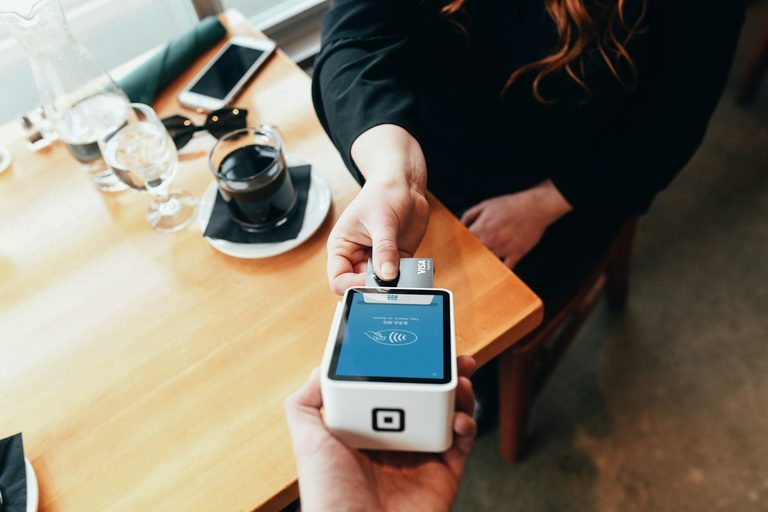
According to Dennis Relojo‑Howell, managing director of Psychreg, the rise of digital payment platforms may be increasing the perceived pressure to tip. When payment screens present tip options—even in situations where tipping was not traditionally expected—customers may feel compelled to add a gratuity, inflating overall spending.
Implications for families
For families striving to stretch every dollar, the study serves as a reminder that small, regular expenses can accumulate. While a $5.63 coffee may seem modest, a 20% tip adds $1.13 per cup, which over three weekly purchases translates to more than $150 in tips each year—well beyond the $324 estimate when factoring in occasional extra orders.
What consumers can do
Readers looking to curb unnecessary spending might consider a few practical steps: limit the frequency of coffee shop visits, opt for cash payments where tip prompts are absent, or simply adjust the tip percentage to reflect personal budgeting goals. By being mindful of these micro‑expenses, households can better manage their overall financial picture.
The GigaCalculator team emphasizes that the analysis is intended to highlight how seemingly minor tips can add up, not to criticize tipping culture. They encourage consumers to make informed choices that align with their financial priorities.
Original reporting: WOWO News/Talk (Fort Wayne) — read the source article.