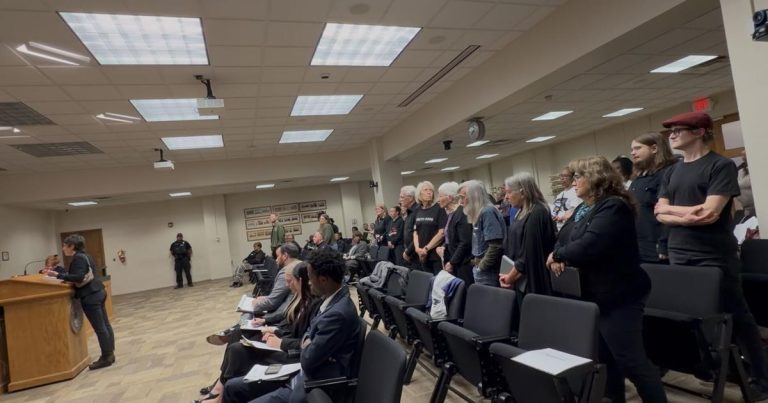
A legal challenge in Massachusetts accuses the state of running a school system that traps Black and Latino children in high-poverty districts with fewer opportunities. Filed on behalf of students and local community groups, the suit argues state policies and practices sustain segregation that limits access to quality schools across the Commonwealth. The case raises questions about funding, district lines, and who gets a fair shot in classrooms from Boston to smaller cities and towns.
The lawsuit claims deep inequality has been baked into the way schools operate, concentrating disadvantaged students and shortchanging them of resources. Plaintiffs argue that the result is predictable: fewer experienced teachers, limited advanced classes, and buildings that fall behind their peers. From a straight-talking perspective, parents see the consequences in test scores, course offerings, and students’ chances to move up.
This fight is not just about numbers on a spreadsheet; it’s about opportunity and accountability. Community organizations say state oversight has been lax while families bear the cost. If the courts find that Massachusetts crossed a legal line, the state could be forced into big changes that affect how districts are drawn and how dollars follow students.
Republican readers will want to focus on practical fixes rather than courtroom dramas. Policies should empower parents, reward excellence, and remove barriers that keep good schools out of reach for low-income families. School choice, transparent budgeting, and targeted support for struggling schools deserve attention as potential solutions that help rather than punish students.
The legal complaint zeroes in on how students are grouped by race and income, and how that grouping tracks with access to advanced coursework and extracurriculars. That pattern matters because learning does not happen in a vacuum; it depends on a full ecosystem of support. Where districts are isolated by design or by neglect, kids lose out on the same ladders other children use to climb.
Money matters, but so does how it’s spent and who controls the decisions. Plaintiffs argue funding formulas and district boundaries reinforce segregation, while critics point out that throwing more cash at a broken system is not always the answer. The debate should be about accountability and results: which investments produce better reading and math scores, higher graduation rates, and real chances for college or careers?
Community groups behind the suit say parents deserve a voice in shaping their children’s education, especially when outcomes diverge so widely across nearby neighborhoods. That demand is simple and urgent: equal access to quality instruction, safe buildings, and robust learning opportunities. If the state has been passive while segregation hardened, courts could be the avenue families use to demand change.
Opponents of heavy-handed court orders warn about unintended consequences, like district upheaval and one-size-fits-all mandates that ignore local conditions. Those are fair concerns; reform must be smart and surgical, not blunt and disruptive. Lawmakers and education leaders need to craft fixes that expand choices for families and lift lagging schools without punishing successful ones that serve diverse communities well.
What comes next is likely to be a slow legal process with lots of headlines but real-world effects that unfold over years. Regardless of the court’s final findings, the case spotlights an uncomfortable fact: bright kids in poor neighborhoods deserve the same shot at success as anyone else. The real test will be whether Massachusetts officials embrace reforms that put students first and empower parents to demand better.