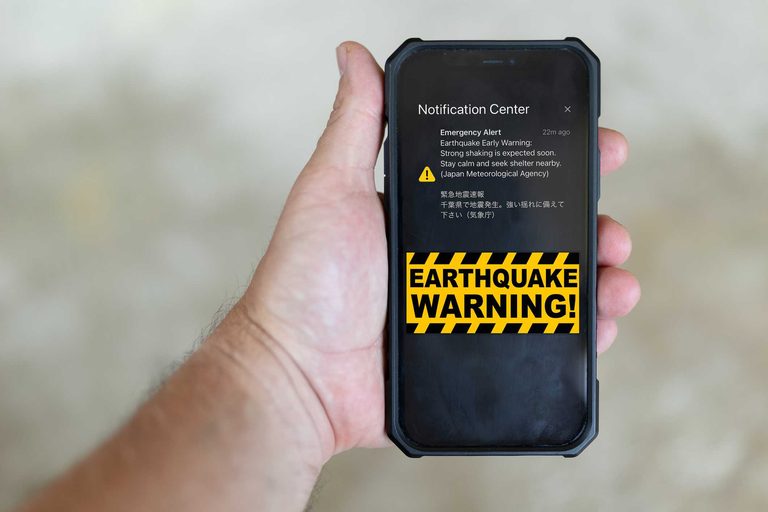
Early Sunday morning, a strong earthquake measuring magnitude 5.7 according to Japan’s Meteorological Agency (the U.S. Geological Survey listed it at 5.5) shook central Japan. The tremor struck at 1:04 a.m. about 40 kilometers (25 miles) beneath the surface in Shizuoka Prefecture, affecting a wide area that includes Aichi Prefecture, the city of Hamamatsu, and the historic capitals of Kyoto and Nara, as well as nearby Yamanashi and Gifu prefectures.
Impact on residents and infrastructure
Local media reported that shattered store windows littered streets with glass shards, and a bookstore was left with piles of books that had toppled from the shelves. Some of the injured fell down stairs while trying to flee the shaking. At least 22 people sustained injuries, though none were reported as life‑threatening.
The most violent shaking was felt in Aichi, according to official seismic assessments, while the quake was not felt in Tokyo due to the distance. Smaller aftershocks followed the main event, prompting officials to keep residents on alert.
Official warnings and safety measures
Ayataka Ebita, an official with the Meteorological Agency, urged the public to remain vigilant for mudslides, falling rocks and possible rainfall‑related hazards in the coming days. He noted that no apparent change has been detected in the Nankai Trough plate, a region scientists monitor for potential mega‑earthquakes.
As a precaution, Shinkansen bullet trains operating in the affected regions reduced speed to ensure passenger safety. While earthquakes can sometimes damage railway tracks, no service interruptions were reported at the time of writing.
Preparedness reminders
Japan’s frequent seismic activity means authorities regularly advise citizens to keep emergency supplies such as bottled water, non‑perishable food and batteries on hand. Residents are also encouraged to have a plan for taking shelter under sturdy furniture and to keep reliable walking shoes for navigating debris‑strewn streets.
Authorities continue to monitor the situation and will issue further guidance if additional hazards emerge. Residents in the affected prefectures are asked to stay informed through local news outlets and official agency updates.
Original reporting: WPBF (Treasure Coast / Hearst) — read the source article.