Narragansett Creamery operates out of a production facility on Niantic Avenue in Warwick, and if you’ve ever bought their ricotta at a Stop & Shop in Rhode Island, you’ve already met them without knowing it. The difference between buying it off a supermarket shelf and picking it up at the source is roughly the same as the difference between reading about the ocean and standing in it.
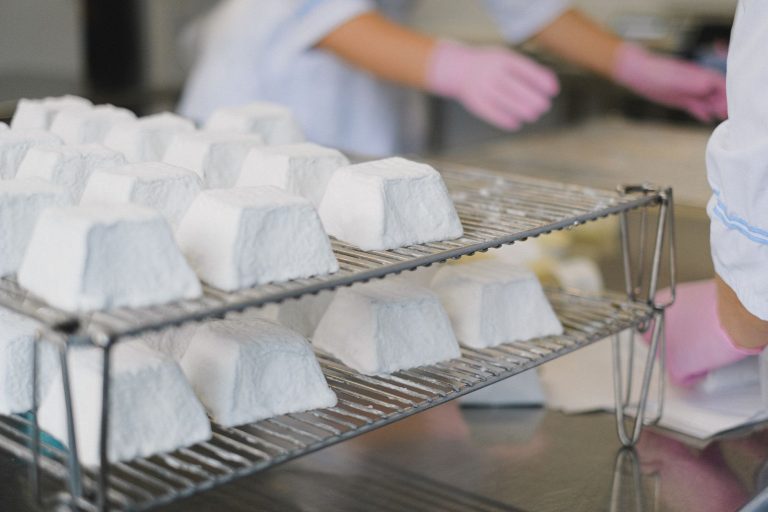
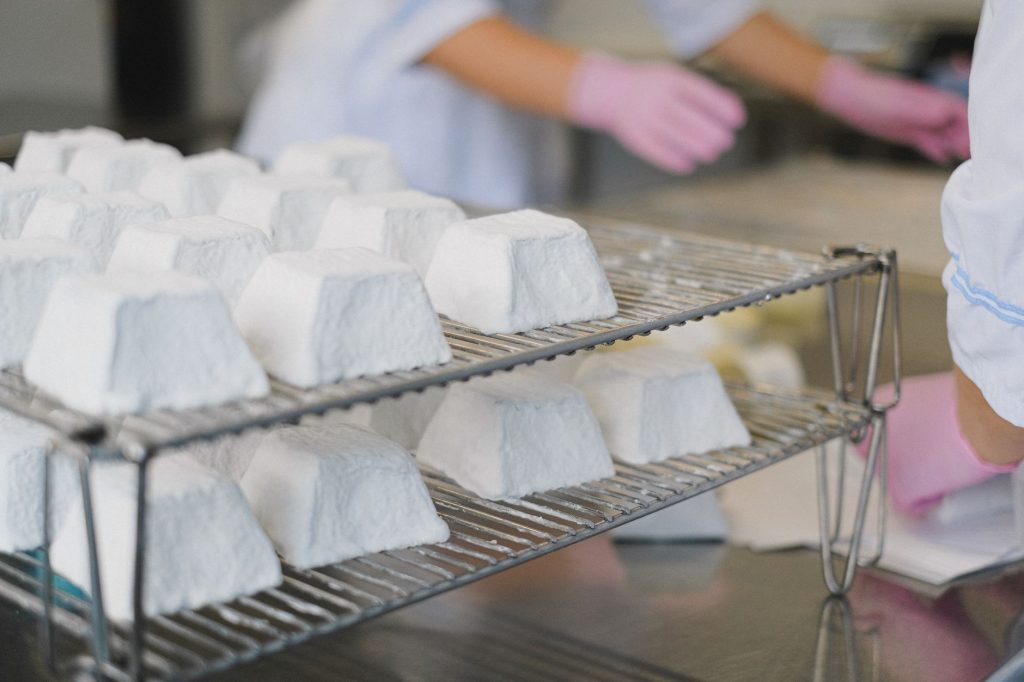
The creamery has been making cheese in Rhode Island since 2007, started by Mark Federico and his family after a few years of figuring out what local dairy could actually become if someone took it seriously. They source milk from New England farms, make everything on-site, and the range runs from fresh mozzarella and ricotta to aged wheels of Providence cheese — their take on a Romano — and a smoked scamorza that is exactly as good as it sounds on a cold afternoon in November.
The retail space is not fancy. There’s no tasting room with exposed brick and a charcuterie board. It’s a small storefront attached to a working dairy operation, which means it smells like warm cheese when you walk in, which is not a complaint. The cases are stocked with fresh curds, whey ricotta, burrata on good days, and a rotating cast of aged cheeses depending on what’s ready. Staff tend to know the inventory well enough to tell you which batch of mozzarella came in that morning.
What you should do: bring a cooler. Grab a container of the whole milk ricotta — the texture is nothing like the grainy, watery version that sits in mass-market tubs — and a ball or two of fresh mozzarella. If they have the burrata, get it. It doesn’t keep more than a day anyway, which is a problem you will solve by eating it when you get home.
Prices are reasonable for the quality: fresh mozzarella runs a few dollars per ball, ricotta by the pound is competitive with anything you’d find at a specialty grocer in Providence, and the aged cheeses are priced like artisan cheese rather than commodity dairy. Which is what they are, so fair enough.
Hours have varied over the years, so checking their website or calling before making a special trip is smart. They do also appear regularly at farmers markets around the state, so if Warwick isn’t convenient, odds are good you’ll cross paths with their table somewhere between May and October. But there’s something grounding about going to the place where the thing is actually made — you park in a lot behind an industrial stretch of Warwick, walk into a room that smells like a proper dairy, and leave with cheese that was made within a mile of where you’re standing. Rhode Island is small enough that this kind of thing is possible. It’s worth taking advantage of.
Narragansett Creamery doesn’t advertise much and doesn’t need to. The cheese does it. If you’ve been buying their ricotta without thinking about it, it’s worth thinking about now.