The wellness industry is a massive, $6.8 trillion market that shows no sign of slowing, with projections to reach $9.8 trillion by 2029. While many products address genuine health needs, history shows that desperate consumers often fall for odd promises.
Tapeworm Diet
In the early 1900s advertisements claimed that swallowing a pill containing tapeworm larvae would let the parasite eat the host’s food, leading to weight loss. The famous “Eat! Eat! Eat!” ad cites a mysterious “W. T. Bridge, chemist,” but no evidence confirms his existence. Modern science knows tapeworms can grow up to 10 meters and cause abdominal pain, loss of appetite and, in rare cases, serious blockages. The CDC warns that such infections are dangerous, not a weight‑loss solution.
Vibrating Belts
Mid‑20th‑century vibrating belts promised to trim inches in just 15 minutes by shaking the wearer’s waist or thighs. Today’s whole‑body vibration devices are marketed more cautiously, and the Federal Trade Commission notes that a body‑worn device alone cannot produce substantial weight loss. A 2019 review found only a modest reduction in fat mass and no meaningful change in body‑fat percentage, underscoring that real activity is still required.
Detox Cleanses
The “Master Cleanse” originated in 1941, urging followers to replace food with lemon juice, maple syrup, cayenne pepper, water and laxative teas for ten days. Celebrities such as Beyoncé and Salma Hayek have tried similar juice cleanses, but the National Center for Complementary and Integrative Health says research on detoxes is sparse and generally weak. Any rapid weight loss usually stems from severe calorie restriction, which can cause dehydration and electrolyte imbalances.
Radium‑Infused Products
After radium’s discovery in 1898, companies sold radioactive water, tablets, cosmetics and devices like the Revigator—a ceramic crock lined with uranium ore that claimed to charge drinking water with radon. Hundreds of thousands of units were sold between 1924 and 1930. Industrialist Eben Byers famously consumed three bottles of Radithor daily for two years, later suffering severe health consequences, including tooth loss, before his death in 1932.
Cigarettes Marketed for Weight Control
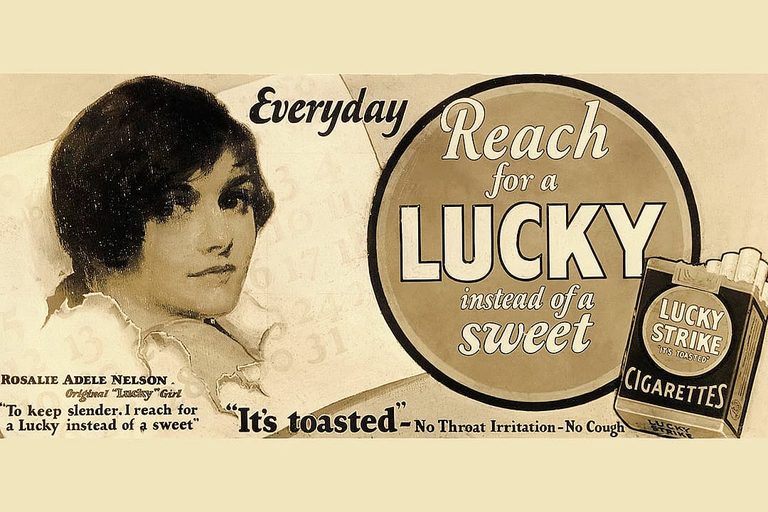
In 1928 Lucky Strike ran ads urging women to choose a cigarette instead of a sweet snack, exploiting anxieties about weight and appearance. While nicotine can suppress appetite, the broader health damage from smoking far outweighs any short‑term appetite control. Historical reviews show that tobacco companies dropped doctor‑endorsed ads by the mid‑1950s as credibility waned.
These five fads illustrate how the promise of quick fixes can mask real health dangers. Consumers are urged to seek evidence‑based advice and consult medical professionals before embracing extreme trends.
Original reporting: KEYT (Ventura/Santa Barbara) — read the source article.