There’s a moment that happens to nearly every visitor at the Draper Natural History Museum in Cody, Wyoming. You walk through the entrance, round a corner, and suddenly you’re face to face with a full-scale diorama of the Greater Yellowstone Ecosystem — sweeping, immersive, and so strikingly real that you half expect the elk to blink. That moment? It doesn’t get old.
Nestled within the celebrated Buffalo Bill Center of the West complex on Sheridan Avenue, the Draper is one of five world-class museums sharing a roof in this remarkable institution — but it absolutely holds its own. Dedicated entirely to the natural world of the Greater Yellowstone region, the Draper is the kind of place that turns a casual afternoon into a three-hour deep dive you never saw coming.
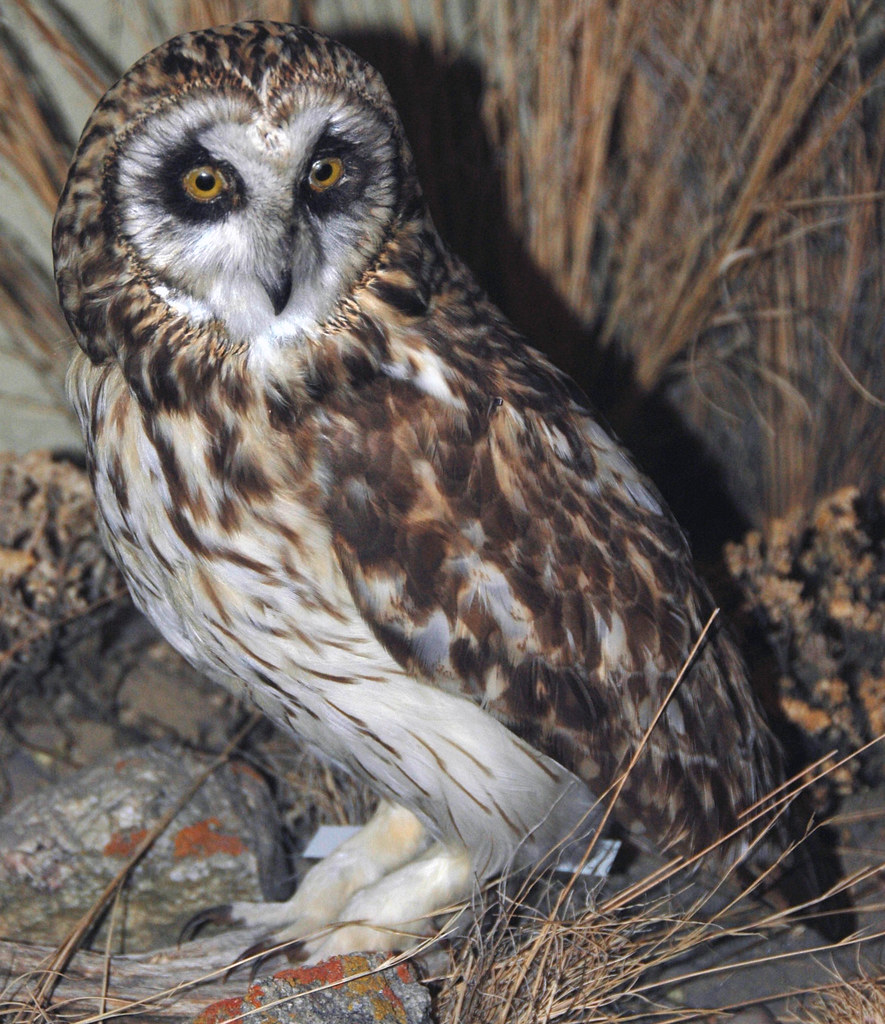
The museum’s crown achievement is its Living Planet exhibit, which traces the ecological story of the Yellowstone region from the deep past to the present day. You’ll move through dramatic landscapes rendered in careful scientific detail — volcanic geology, alpine meadows, riparian corridors, and open sagebrush flats — each environment populated with expertly crafted wildlife displays. Grizzly bears, wolves, pronghorn, trumpeter swans: the Draper doesn’t just name these animals, it places them in context, showing how each creature fits into one of North America’s most intact and dynamic ecosystems.
What sets the Draper apart from a standard natural history exhibit is its commitment to storytelling at a human scale. Interactive stations invite you to listen to actual field recordings — the haunting call of a loon across a backcountry lake, the distant rumble of a bison herd. There are ranger-style field journals to flip through, climate data presented accessibly without ever feeling like a lecture, and hands-on discovery areas that genuinely engage younger visitors without boring the adults standing beside them.
The paleontology section deserves its own mention. Wyoming sits atop some of the richest fossil beds in the world, and the Draper honors that legacy with specimens and explanations that bring deep geological time into clear, tangible focus. Standing in front of ancient marine fossils from a sea that once covered this very ground is quietly humbling in the best possible way.
Plan your visit for a weekday morning if you can — the light through the museum’s tall windows is beautiful, and crowds are thinner. Give yourself at least two hours, though three is better. Admission to the Draper is included with your Center of the West ticket, which also opens the doors to the Buffalo Bill Museum, the Plains Indian Museum, the Firearms Museum, and the Whitney Western Art Museum. It’s one of the great museum values in the American West.
Cody sits just 52 miles from Yellowstone’s East Entrance, and most travelers treat this town as a quick overnight stop on the way to the park. Do yourself a favor and schedule an extra morning for the Draper. The natural world you’re about to drive into will mean so much more once you’ve spent a few hours understanding its story.