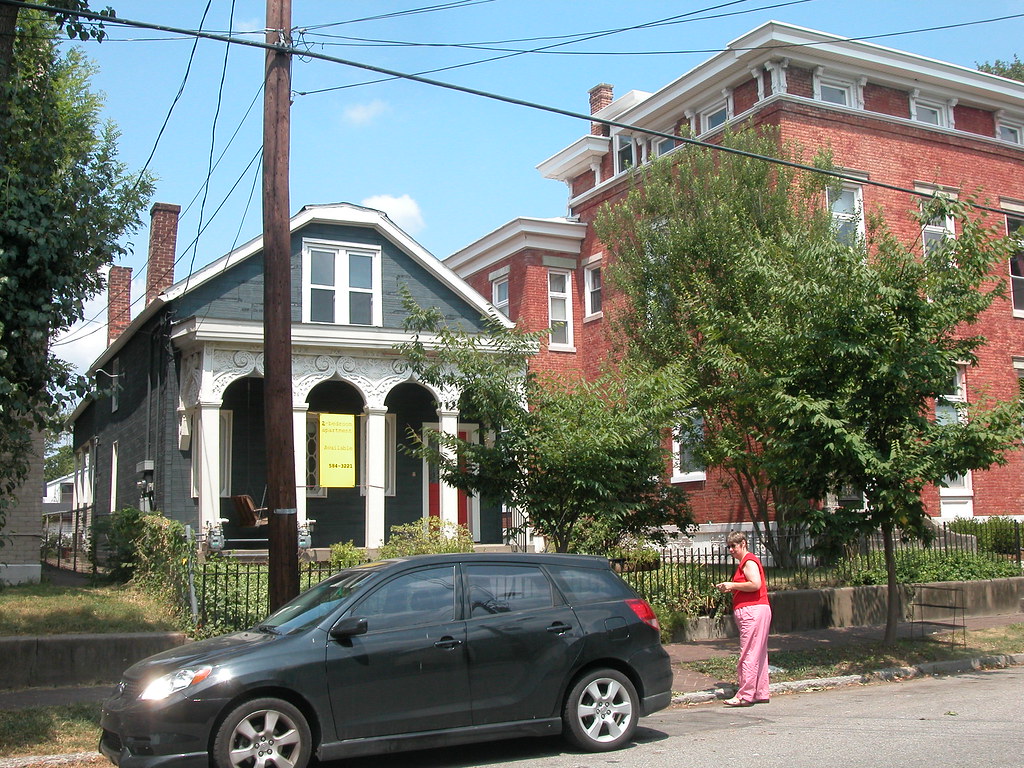
There is a moment, standing inside a modest Victorian shotgun cottage tucked into Louisville’s Butchertown neighborhood, when you realize you are occupying the same rooms where one of the most consequential minds in American history spent his early working years. That moment — quiet, a little electric (forgive the pun) — is exactly why the Thomas Edison House deserves a top spot on every Louisville itinerary.
Before Edison became a household name, before the lightbulb, before the phonograph, he was a young telegraph operator boarding in Louisville. From 1866 to 1867, the future inventor lived and worked here, employed by Western Union at the age of nineteen. The house at 729 East Washington Street has been lovingly preserved as a small but richly detailed museum, and visiting it feels less like a formal tour and more like dropping in on a chapter of history that most people never knew was set in Kentucky.
Butchertown itself is worth the trip on its own merits — it is one of Louisville’s oldest and most characterful neighborhoods, lined with nineteenth-century brick rowhouses and anchored by a creative, independent spirit. But once you step through the door of the Edison House, the outside world fades away. The rooms are furnished to reflect the period, and the collection of Edison memorabilia is genuinely impressive for a site of this intimate scale. You will find early phonographs, original telegraphic equipment, vintage light bulbs, and interpretive displays that trace Edison’s trajectory from curious teenager to world-changing inventor. The staff are enthusiastic and knowledgeable, and they have a gift for making the science accessible and the biography genuinely compelling.
What makes this place feel special rather than merely educational is the human scale of it. Edison was not a legend here — he was a young man renting a room, staying up too late reading, tinkering with ideas that most people around him would have found baffling. There is something deeply encouraging about standing in that space and being reminded that genius often begins in ordinary, unglamorous circumstances.
Tours run regularly, admission is very affordable, and the whole visit takes about an hour — which makes it an ideal complement to a broader Butchertown afternoon. Walk over afterward to grab a coffee or a bite at one of the neighborhood’s independent spots and let the visit settle in your mind.
Louisville has no shortage of big, splashy attractions, and they are all worth your time. But the Thomas Edison House offers something rarer: genuine intimacy with history, without the crowds, without the noise, and with every reason to leave feeling quietly inspired. Do not let it stay underrated much longer.