There is a particular kind of thrill that comes from holding a piece of history in your hands — not behind glass, not on a placard, but right there, at a reading table, under good light. That is exactly what awaits you at the Alexandria Library Special Collections division, tucked inside the Kate Waller Barrett Branch on Queen Street in the heart of Old Town. It is one of those places that locals walk past for years before finally stepping inside, and once they do, they wonder why it took them so long.
The Special Collections division is Alexandria’s civic memory made tangible. The room houses an extraordinary archive of photographs, maps, city directories, newspapers, manuscripts, and genealogical records stretching back to the eighteenth century. If you have ever wanted to see what King Street looked like in 1890, or trace a family name through colonial-era Alexandria, this is the place. The staff are genuinely enthusiastic researchers who treat every visitor — whether you are a seasoned genealogist or simply a curious traveler — with the same patient, knowledgeable attention.
What makes a visit here feel like more than a research errand is the texture of the collection itself. Original photographs of Alexandria’s waterfront before the twentieth century sit alongside Civil War-era documents and detailed Sanborn fire insurance maps that let you trace the exact footprint of buildings long since demolished. There is something almost meditative about paging through a bound city directory from the 1850s and finding, in neat copperplate script, the names of people who walked the same cobblestone streets you just came in from.
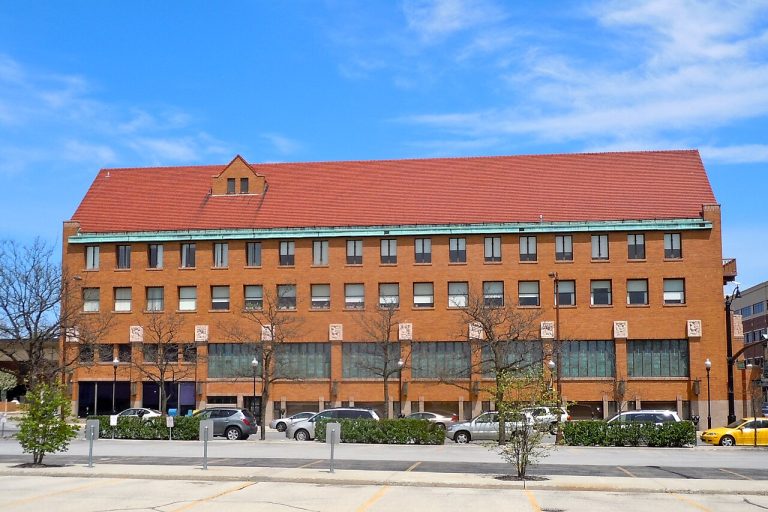
The Barrett Branch building itself is worth noting. It is a clean, welcoming mid-century structure that has been thoughtfully maintained, and the Special Collections room feels serious without being intimidating. Natural light, long wooden tables, and the quiet industry of other researchers create an atmosphere that is more akin to a scholar’s sanctuary than a stuffy archive.
Visiting is straightforward. The collection is free and open to the public, though it is worth calling ahead or checking the library’s website to confirm Special Collections hours, as they differ from the main branch schedule. Bring a photo ID, and know that most materials must be used on-site — no checking out a Revolutionary War broadside, unfortunately. Pencils only at the research tables, a small rule that feels entirely right given what you are handling.
Whether you are a history enthusiast, a family researcher, or just someone who appreciates the weight of a well-preserved archive, the Alexandria Library Special Collections is a genuinely rewarding stop. It sits a short walk from the bustle of King Street, yet it feels like an entirely different world — quieter, deeper, and rich with stories that Alexandria has been carefully keeping for you.