By nine on a Saturday morning, the Leclaire Lake Park lot in Edwardsville, Illinois is already doing real business. Vendors are lifting cooler lids, stacking tomatoes by size, cutting samples of hard cheese onto wax paper squares. The market runs from May through October, and by mid-July it’s operating at full tilt — maybe forty vendors spread across the shaded asphalt, the lake sitting flat and dark just beyond the treeline.
Edwardsville sits about twenty-five minutes east of downtown St. Louis across the river, and the drive over on I-55 and I-270 is easy enough that it doesn’t feel like a commitment. The market has been running in some form at this location for years, quietly drawing a crowd that tends to be local rather than tourist-heavy — a distinction that shows in the buying habits. People come with canvas bags and a list. They already know the pepper guy.
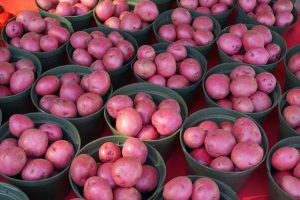
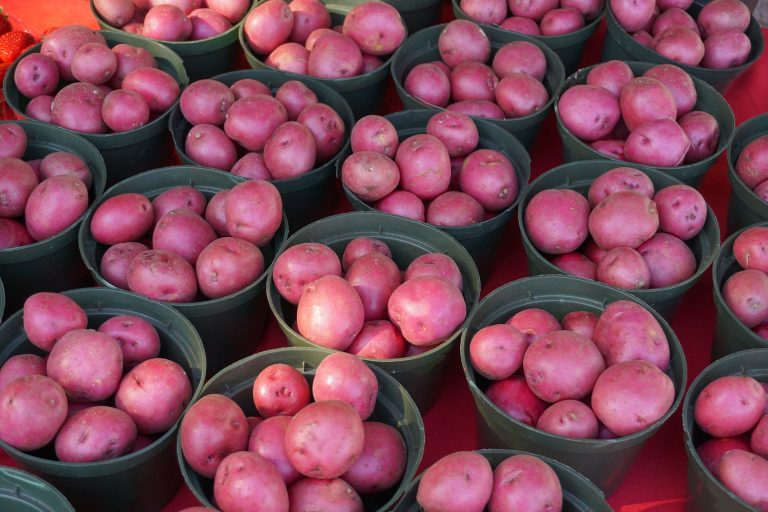
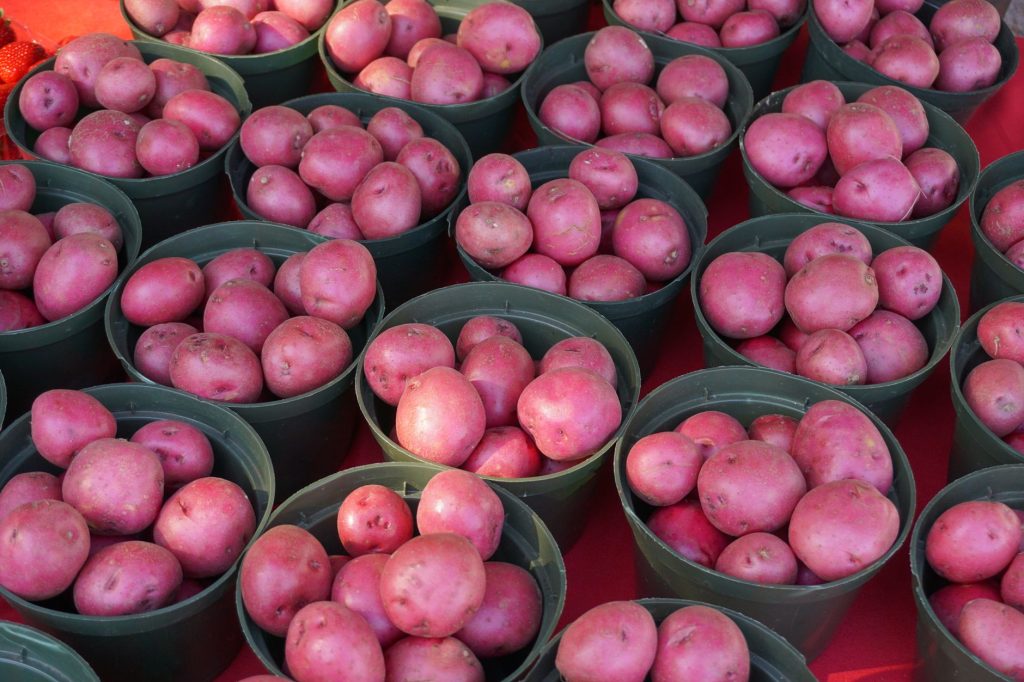
The produce here is not curated for Instagram. It’s just good. Heirloom tomatoes that look genuinely uneven, sweet corn still in the husk, zucchini the size of a forearm that someone obviously let go a day too long and is selling for a dollar. There’s a woman near the east entrance who sells cut flowers — sunflowers and zinnias and dahlias, bundled tight — and by nine-thirty her buckets are half gone. A few stalls down, a farm from Troy, Illinois sets out pastured eggs, chicken, and occasionally rabbit, and the line in front of it is consistent throughout the morning.
The baked goods vendors attract a different kind of attention. One table runs croissants and hand pies alongside sourdough loaves; another specializes in dog treats, which seems to work, given how many dogs are walking the rows. Coffee comes from a small operation that sets up near the entrance with a simple pour-over and cold brew setup — four dollars for a cup, and it’s worth stopping for.
What holds the whole thing together is scale. This market is big enough to have real variety — fresh pasta, local honey, jarred preserves, a soap maker, two or three vegetable operations — but it hasn’t tipped into the kind of size where it stops feeling like a farmers market and starts feeling like a street fair. The lake access and the trees keep the temperature manageable even when the rest of July is brutal. By ten-thirty, some of the choice items are going fast, so arriving closer to opening pays off.
Bring cash. Most vendors have a card reader now, but the transaction goes faster without it, and a few of the smaller operations still prefer it. Budget somewhere between twenty and fifty dollars depending on how hungry the week ahead looks. A family doing real grocery shopping can leave with a full bag; someone who just wants flowers and eggs and a loaf of bread will spend fifteen.
The park itself is free, the market is free to walk, and parking is easy on most mornings. The whole visit runs about an hour if there’s no particular agenda, longer if the person behind one of the tables gets talking, which happens. The farmer selling hot peppers is apparently very interested in what people plan to do with them, and will offer suggestions whether or not they were requested.
It’s a good way to spend a Saturday morning — not dramatic, not curated, just useful and pleasant in the way that the best local markets tend to be.